Recording Sound For Fury
By Lisa Piñero
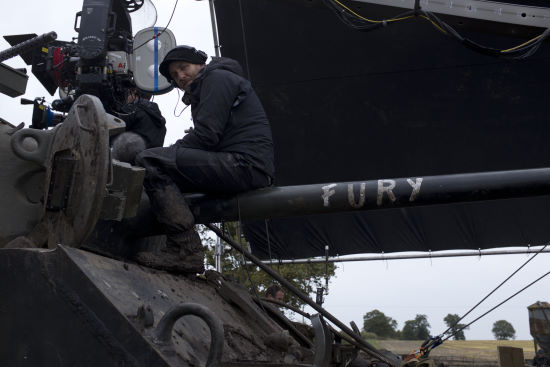
In June 2013, I was called to do a series of reshoots for Sabotage, the David Ayer–directed film that I’d worked on the previous fall. While shooting, I learned that Dave’s next film, Fury, was gearing up to shoot in England. I wanted in.
I love working with Dave; his unconventional shooting style and focused vision on End of Watch and Sabotage, the two films on which I’d previously collaborated with him, forced us to find creative ways to capture the dialog along with real-time sync tracks of actual environmental sounds.
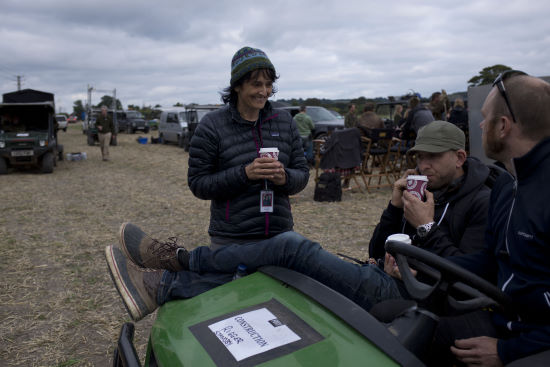
But Fury was going to be different. This was a passion project for Dave; he had written a story that had attracted a fantastic cast, including Brad Pitt, Shia LaBeouf, Logan Lerman, Jon Bernthal, Michael Pena, Jason Isaacs and Scott Eastwood. It was set in the battlefields of World War II, in Germany near the end of the war, and would be shot on 35mm anamorphic film by Roman Vasyanov, the Director of Photography I had enjoyed working with on End of Watch. Dody Dorn was onboard to edit and Andrew Menzies, whose work I had admired on other films, would be the Production Designer.
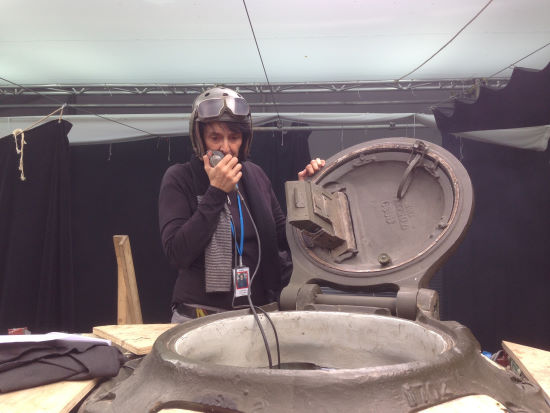
For this film, Dave planned a much more conventional visual style. Although the idea of a conventional visual style may imply a comfort zone of a familiar process and “old school” sound recording techniques, this is never the case on a David Ayer project. Dave challenges everyone involved in his films to push the limits of their craft. He strives for a sense of reality in his work that forces us to re-think our assumptions about the filmmaking process.
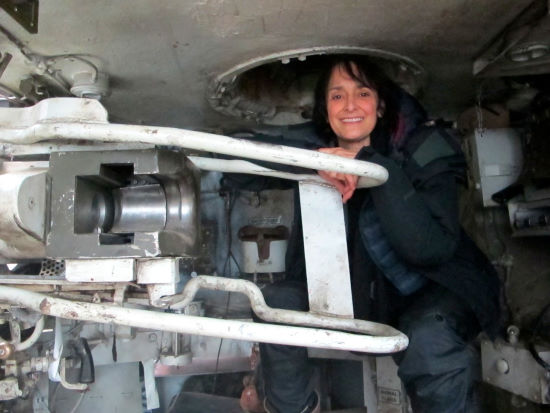
Once I knew I was headed to England, priority one became finding a crew that could handle the job and that was able to work in the UK. I immediately thought of Ben Greaves, who I had enjoyed working with earlier in the year and who I knew had the demeanor and skills to get the job done properly. Ben currently works and resides in Los Angeles, but he has a UK
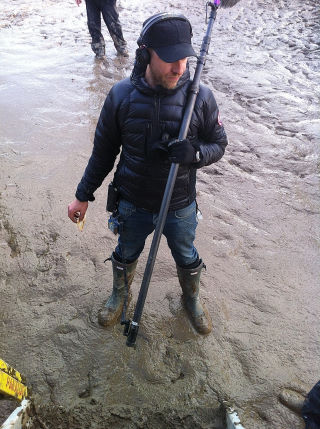 passport, a flat in London and the contacts to pull together a good local crew for the show. Ben came aboard as my Boom Operator and we brought on local London Production Sound Mixer Tarn Willers to handle the sound utility position and act as our Second Unit Sound Mixer. We also brought on Tim Surrey to work as our fourth, along with Sound Utility Frank Barlow, who came in frequently as our top dailies hire.
At the end of August 2013, I set off for a month of prep at Pinewood Studios. Packed in my bags were manuals and notebooks filled with photos and diagrams of actual World War II tanks and tank crew field gear, including communications systems, along with actual pieces of US surplus Sherman tank communications gear, including plug-in BC-606 comm boxes, throat microphones and helmet headphone wiring. Forty-five cases of sound gear were shipped and on the way to Pinewood Studios, and a new sound cart, designed with our shooting environment in mind, was being built for me by Malcolm Davies in Manchester, UK.
Early in prep it was determined that we would have essentially three shooting scenarios involving tanks:
1) Exterior Tank Action, in which tank commanders would perform scenes with each other and need to speak/hear one another on one channel (tank-to-tank), while tank drivers (specialist/stunt drivers) would have to be on their own channel with our tank coordinator in order to hear commands and cues. In these situations, we would record our cast only through production microphones. We would wire all cast members and use either helmet or body-mounted microphones (DPA-4061 or DPA-4071).
2) Exterior Process Vehicle, in which our cast was riding in or on a custom-designed tracking “process vehicle.” This vehicle was essentially a highly detailed, life-size fiberglass model of our Sherman tank Fury, attached to the base and suspension of a heavy‐duty military tracking vehicle. It featured a large steel platform apron, suitable for mounting up to two Chapman hydrascope cranes, lots of camera, lighting, and grip gear, and necessary crew. In this case, as above, we would wire all cast, and the tank coordinator would be in direct communication with the process vehicle’s driver seated at the front of the vehicle.
3) Interior Tank, in which our cast played out scenes inside a gimbal-mounted interior tank set. Here, we would wire all the cast and either boom or plant microphones for production dialog. We would also find a way to record the cast through the microphones of a modified vintage tank communications system.
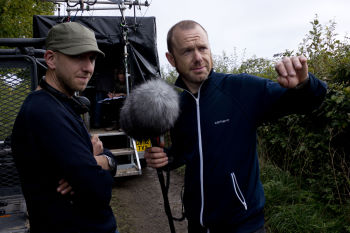 In our first discussions regarding this project, David Ayer indicated to me that, in addition to our production microphones, he wanted to try to record dialog tracks through the vintage microphones used in the original Sherman tank communications systems. Many World War II Sherman tank crews used a SCR-508 turret bustle-mounted radio/interphone system that allowed the five-person tank crew to communicate with each other (interphone) as well as allowed the tank commander to communicate via the FM radio set with other tank commanders and military personnel outside the tank. The tank crews had communications components, including their headphones and microphones, integrated into their military-issue apparel. The headphones were wired into the tanker’s helmet and connected to a push-to-talk switchbox and a throat microphone that was then connected to a communications box at each man’s station in the tank. The tank commander uses the same style helmet; however, his microphone is a push-to-talk handheld microphone. Dave asked me to look into options for recording our cast’s battle scene dialog through these microphones, using either vintage radios in our tanks or through modifications that would leave the outward appearance of the vintage gear intact.
Before leaving Los Angeles, I had acquired several sets of T-30 throat mikes. T-30s are essentially two small carbon microphone elements encased in rubber that are attached to an elastic strap and worn snugly around the neck. The capsules should be positioned on either side of the Adam’s apple. The microphone was designed to pick up sound vibrations through contact at the throat; this was more effective than relying on sound waves transmitted through the air in the extremely high noise environment of a tank’s interior. I needed to hear what these microphones sounded like; however, sadly, the mikes produced a very low-level and noisy signal. After more research, I learned that, over time, the carbon powder in these old surplus microphones solidifies into a solid mass, which does not allow the carbon granules to vibrate as they should with sound pressure in order to change the electrical resistance between the elements’ plates enough to significantly modulate the signal. These old microphones weren’t going to work without some modification.
There were other complications with the surplus vintage gear as well. The connectors used in these systems were specific to military systems and in some cases very rare and difficult to locate. Also, some elements were considered expendable in the day and not field repairable, which made them difficult to modify. We investigated the possibilities of using the actual radio systems in the tanks, but were dissuaded by our period tank mechanics, who recounted stories illustrating the extremely unreliable performance of these old tube radios. We needed a clever, resourceful engineer who understood the filmmaking process and was interested in tackling this project. I called Production Mixer Chris Munro for ideas, and he immediately assured me that he had the man for the job: James McBride.
Jim is royalty in the sound recording world, yet he is such a humble man you would never know it by meeting him. He was a valued studio engineer and an important technical contributor at the legendary Olympic Studios in London during its heyday. Jim designed and built the facility’s Studio One recording console. Many of the most important acts of the ’60s and ’70s, including the Beatles, the Rolling Stones, Pink Floyd and Led Zeppelin, recorded their most famous records through the consoles at Olympic. (http://www.soundon sound.com/sos/aug12/articles/keith-grant.htm)
Jim has become Chris Munro’s go-to man for designing and building custom sound equipment for specific applications. One of Jim’s recent projects was finding a way to build a radio mike transmitter directly into a space helmet for the film Gravity. (Editor: See Gravity and Captain Phillips by Chris Munro, CAS, 695 Quarterly, Spring 2014)
Jim came aboard Fury, and after numerous meetings with all departments involved, we had a plan for our interior set vintage microphone recording scenario. Jim would modify enough existing vintage elements from the cast costumes, props and set dressing to give us a signal path from the vintage microphones (T-30 throat mikes and T-17 handheld mike) used by the actors to the inputs on my recorders. He would also modify the interior tank plug-in comm boxes (BC-606) to accept a return signal from my cart, so that each cast member could hear the mix-minus feed I was sending them via wireless monitoring from my cart. The actors would only have to plug in to what was now modified and practical set dressing in order to be recorded through their vintage microphones and hear each other (minus themselves) through their vintage helmet headphones.
In order to make this happen, Jim and his assistant had to meticulously modify equipment that was manufactured to be expendable and certainly not accessible for modification. In the case of the T-30 throat mikes, Jim carefully sawed through the very small Bakelite connector material and internal contacts in order to replace the old and unusable cable. Then, he glued it all back together so it was impossible to see that they were different from the unmodified pieces. He used a similar surgical technique on the flexible rubber piece that contains the carbon throat elements and replaced those with new elements that, while not high fidelity, replicated the sound of the originals when they were new. He sourced and found all matter of parts, including new cable for our cast PTT switch boxes that looked exactly like the original; a new SM-58-like capsule to fit inside the T-17 microphone that our tank commander would use; and small headphone speakers that could be glued to the sawed-off back of the visible part of our vintage headphones, so that they would look original but work as practical for our cast. The list goes on and on. I asked him for miracles, and Jim delivered them time after time.
Jim also worked on the exterior tank communication with the wireless company hired by the production company. Wireless Works had been hired to work out a duplex radio system for all the exterior tank operations. They were responsible for three huge areas: the communications between the tank coordinator and the tank drivers, the communications between our cast of tank commanders during exterior maneuvers, and all RF coordination on our sets. Jim worked with the Wireless Works onsite technician to help them integrate their duplex equipment into modified vintage equipment that the cast was using. Jim’s ingenuity and tireless work made it possible to incorporate vintage communication equipment into the production process on this show.
I should also mention the invaluable assist provided to us by Rob Lihani, who also happened to be the EPK Producer hired by Sony Pictures to document the making of Fury. Rob is ex-military and an expert in World War II militaria. He utilized his many contacts in the world of military surplus dealers and collectors in order to help us acquire authentic pieces of unused military surplus parts and equipment when no one else could find them.
When it came to production dialog, we knew that we would be dependent on wireless microphones whenever the tanks or process vehicle was moving. The tanks are LOUD and cast members might be in any number of positions while the tank was moving, so it was important to test various wireless mike positions before we started shooting. Tarn Willers and I spent several days at the tank training grounds testing a variety of lavalier microphones and mike positions on subjects as we placed them in different positions on the running tanks and the tank process vehicle. We tested a number of microphones in various positions, including several in the cast tanker helmets.
The results:
1) The tanks were really loud.
2) The tank process vehicle was even louder than the tanks, and dialog recorded on it would in all likelihood have to be replaced.
3)The DPA-4061 sounded best when used in the helmet flap position and the DPA-4071 sounded best when mounted to a chest position.
I came onto the project fully understanding that tanks are loud and that a group of many tanks are louder still. The fact that the “process tank vehicle” was much louder than an actual tank was somewhat disheartening. I discussed this with Dave, and although he knew it was a challenge, he felt very strongly that a towed process vehicle would not move like a tank and was even more problematic than having to ADR some dialog scenes shot on the current tracking process vehicle.
Given our challenge, we started to look for the best alternative solution that would give us the best results.
Our costume technician, Mark Wyndham, worked with Ben to modify the hero cast helmets for permanent placement of a DPA-4061 in each. The microphone was fitted into the helmet’s leather lining and exposed through a hole that was punched through for the purpose. Ben had our textile specialists dye Rycote Overcovers to match the helmets, and in the end, it was difficult to see where the mike was located, unless you were looking for it. Richmond Film Services modified these microphones with screw-on extension cables, so that the helmets could be removed easily without de-rigging the microphone cable and transmitter from the actor. Alternate mike placements were worked out on all our regular cast members’ costumes.
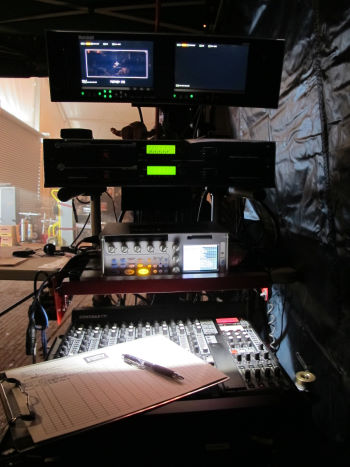
Meanwhile, Tarn and I worked on fitting out the cart that Malcolm Davies built for me. The cart was based on a frame made of small diameter speed rail, with shelving and accessories designed and manufactured by Malcolm in his shop. Malcolm builds many carts of this style for the BBC and other production mixers in the UK and Europe. It was Ben Greaves who urged me to investigate this style of cart based on his experiences shooting in the wet and mud of the English countryside, where weight and unwieldiness cost valuable time. The cart was fitted with my gear, including a Sonosax SX-ST, Deva 16 recorder, a Denecke GR-2 Master Clock, two Lectrosonics WBL Venue Racks with a total of 12 VRT modules, a Marshall dual HD monitor rack and a Sennheiser EW-300 stereo transmitter, all powered by a Remote Audio Meon LiFE. My follow/support cart is a Backstage Equipment cart fitted out with a top shelf and an SKB case filled with foamed out rack drawers that hold microphones, transmitters and other sensitive pieces of gear. Our sound trailer was provided by English film production transportation provider Translux, and Ben worked with them to fit it out properly for our sound equipment. It was stocked with expendables, snacks, and, most importantly, a teakettle—that essential piece of equipment in British culture. For transporting our gear at location, the production company built us a small covered trailer with a ramp for our follow cart and gear along with a Gator to pull it with.
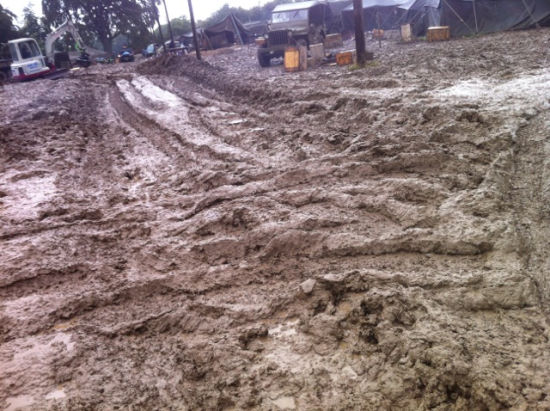
As shooting began, we received huge support from our 1st AD, Toby Hefferman, regarding a standalone mobile shooting platform for sound and video. We were given a 4×4 insert car vehicle with a driver. A “room” was built on the rear platform of the truck using a speed rail frame covered with a fitted weatherproof cover. An antenna rack was attached up high over the rear rollup cloth door and a Honda generator was rigged to the front of the truck. Voila! We were a powered off-road sound & video follow vehicle, with a wall of director’s monitors hung along one side. This setup allowed us to track with moving tanks over any surface and to be instantly ready to record as soon as our truck landed for static shots. The “sparks” (that’s British for “electricians”) wired a box next to our onboard generator, giving us the ability to kill it and receive quiet power from their blimped generator when we weren’t tracking with tanks. For shots when the tanks weren’t moving, Ben had our guys run cable out for boom and ambient microphone positions. There was a lot of shouting and gunfire, and good ol’ copper gave us the best signal-to-noise ratio along with more dynamic range than that available using radio mike transmitters. I developed a huge amount of respect for our crew as they unflinchingly ran hundreds of feet of microphone cable through deep, flinty, clay mud day after long, wet and cold day.
But we still had to solve the challenge of the extremely high noise environment of the working tanks. In the end, after a number of false starts at other solutions, we hired a truck designed for location dailies screening. We had construction soundproof it further and Dody Dorn, our Editor, found ADR Mixer Jon Olive, who would bring a portable ADR setup and would do all the prepping required for the necessary ADR sessions. Once the sessions were prepped, our ADs would schedule cast members into our ADR unit for Jon Olive to record. One of our Boom Operators was always on hand to mic the ADR sessions. We used exactly the microphones and mike placement we used in the shot; we added a boom microphone and encouraged our cast members to take the positions they were in during their on camera performances. Using this method, we were able to get clean dialog for most of those scenes aboard the tracking process vehicle.
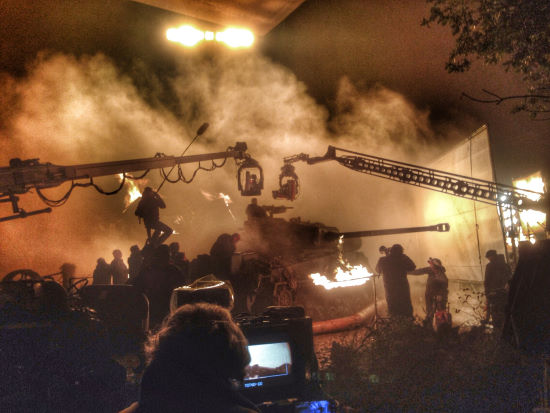
It was also extremely important to Dave for us to document the sounds of the many extremely rare, vintage World War II vehicles that we would be using in the production. The British Tank Museum’s German Tiger I tank was a particularly important subject. The last surviving operational Tiger I, we had this tank at our base camp for only a few days and its use was severely restricted to a certain amount of running time, all of which David Ayer wanted to use on camera. We needed to bring in someone who was familiar with the workings of vintage military vehicles and was skilled in sound effects recording. That man was Eilam Hoffman, who has traveled the world seeking out and recording effects. He has an impressive reel of multi-track sound effects recordings that includes many of the rarest military vehicles in the world. Eilam and his assistant scheduled several sessions at our Bovingdon Field base camp and the British Tank Museum in Dorset, and they were on set to record the Tiger tank on the day we shot it, so he could get Dave the sound of the tank’s tracks as they ground through the actual muddy field surface we were shooting on. His recordings of this Tiger are the only known multitrack recordings of a working original equipment Tiger tank. Eilam was a pleasure to work with, and yet another one of the dedicated film sound professionals I had the honor of working with in the UK.
Fury was an amazing experience and adventure. I am incredibly fortunate to have had the opportunity to meet and work with such a talented group of filmmakers on such a remarkable project.
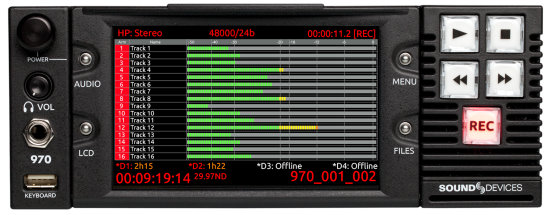
 The 970 is a half rack, 2U device capable of recording up to sixty-four tracks to multiple drives. There are two front-panel drive bays and two eSata drives accessible from the rear panel. The drives may be configured for simultaneous or sequential recording as needed.
 Dual power inputs through standard 4-pin XLRs provide operational redundancy. In the event of a failure of both sources, proprietary PowerSafe™ circuitry provides ten seconds of reserve and an orderly shutdown.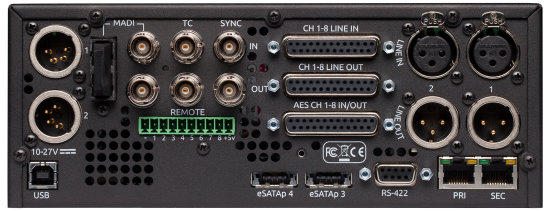
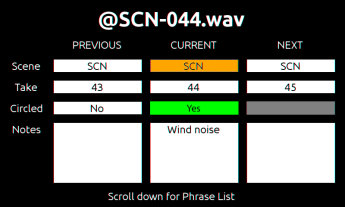 Similar dedicated keystrokes give access to the Metadata screen where scene number, takes, notes and other functions may be rapidly edited. Commonly used phrases may be selected and edited from a list manager.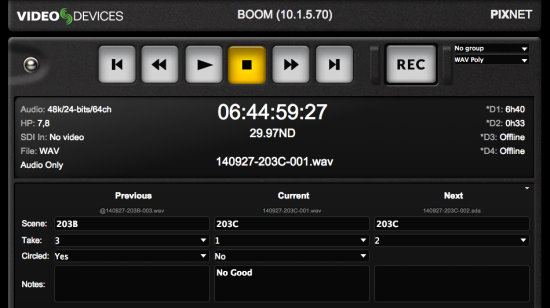
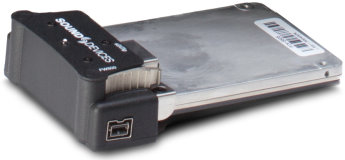 File metadata editing of scene name, take name, notes, track names and reel folders can be done across all drives during, before and after recording.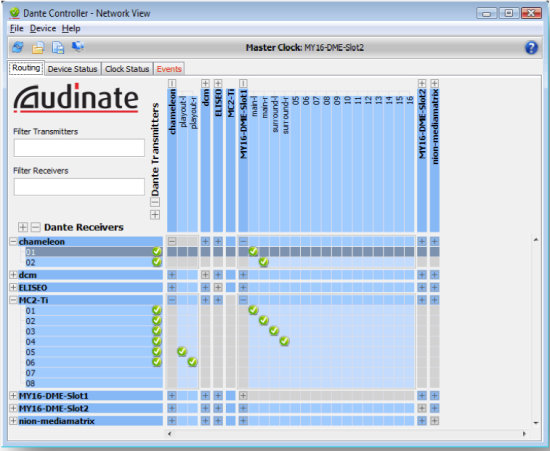
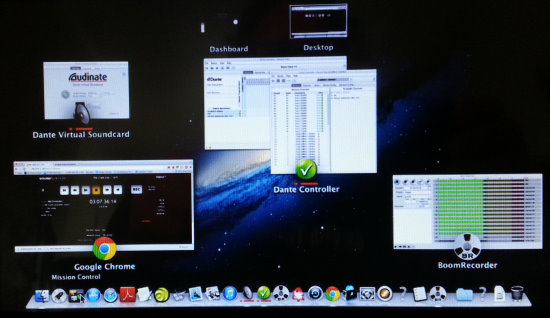
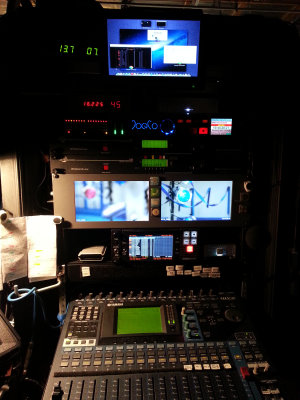 Aside from our most important responsibility of mixing great tracks, we have the added duties of accurate metadata and arming and disarming of tracks. These operations are available both directly on the 970 and via PIXNET.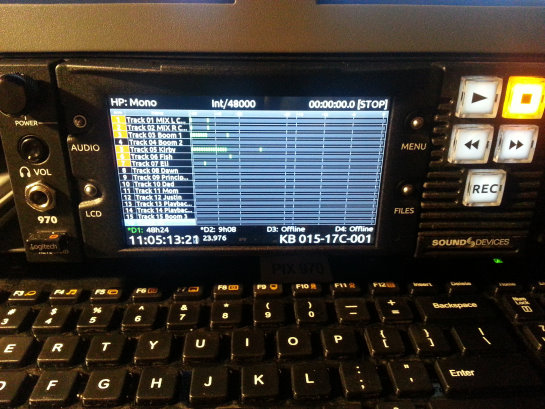

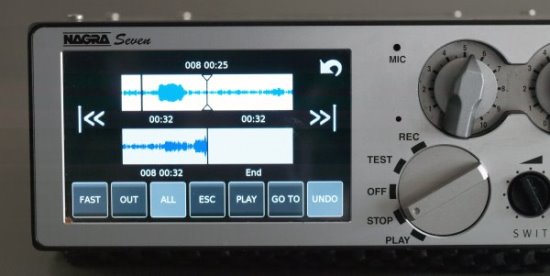
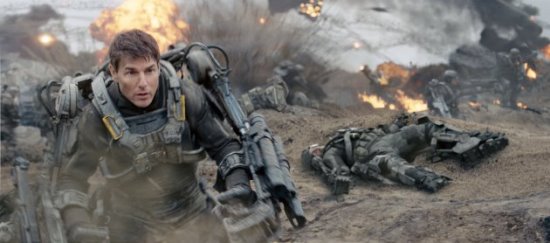
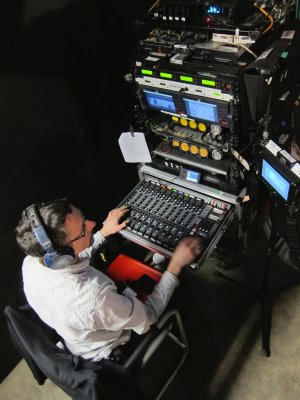 It’s enough to set any Sound Mixer’s alarm bells ringing on multiple fronts although the bells were largely inaudible over the din of the action.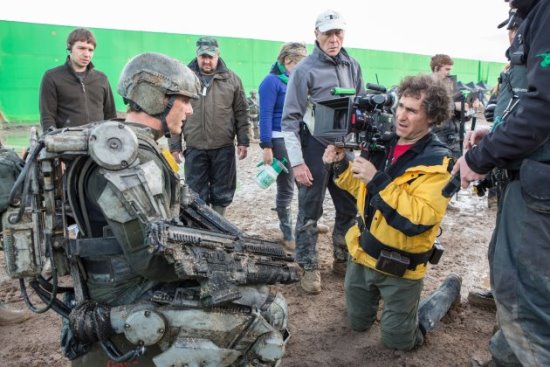
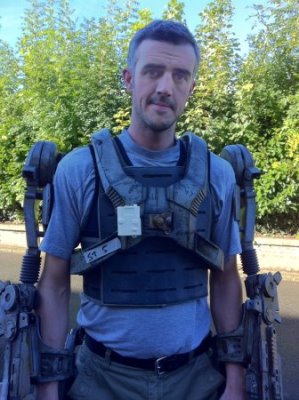
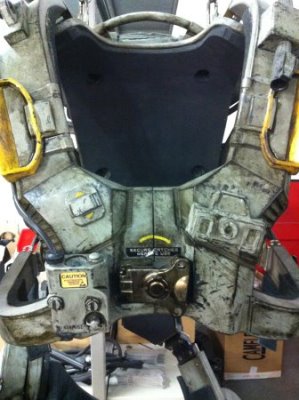 The team who built the Exo-suits was responsible for getting the actors in and out of them every day, making necessary adjustments and keeping them all working smoothly. They were a crack team, and ready with a can of oil to prevent squeaks.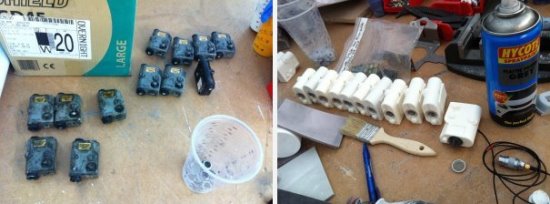
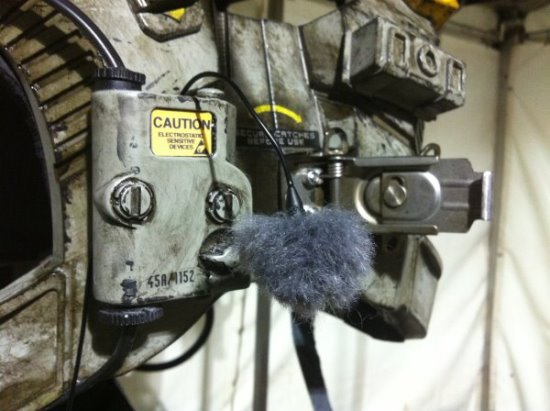
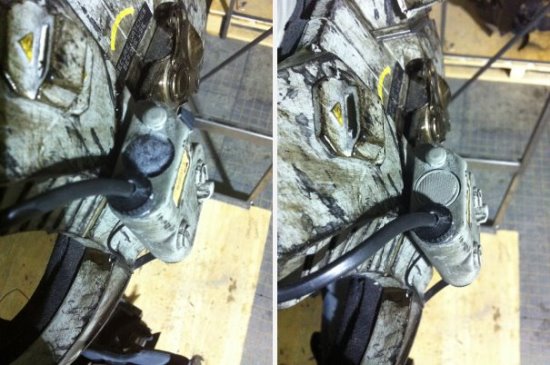
 I had told TC that I wanted to put two wireless microphones on him for this scene, one set to a high level, the other set low and in two different frequency blocks in case of any unpredictable interference on the day. He was open to this idea but wanted to test it a few days before, to see that it could be done without affecting the immaculate look of the costume. I was grateful for this as the shot was nerve-wracking enough. The cameras would be rolling from the moment the chopper appeared in the sky until they drove away in the car at the end of the scene—it had never been done before, we might get only one shot at it and we didn’t want to risk a visible sound pack spoiling the shot. We put the microphones on, mounted the packs on the ankles, and pulled and flapped the trousers to make sure we wouldn’t see any lumps in the downdraft of the helicopter blades. When TC gave the thumbs-up, we were good to go and it turned out to be a great scene. In the end there was a lot of RF around that morning that wasn’t present on the scout so it took an Xmas tree of antennae to bring in enough signal, but we got it! We all had to be in military costume in case we were seen from the air so we had to rationalise that we were in the Royal Engineers Corps and that wireless operators play a crucial role in modern warfare!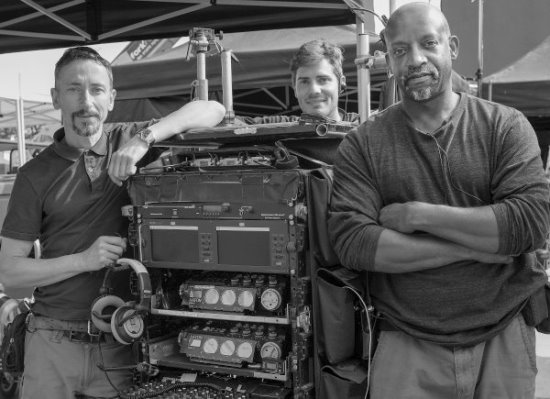
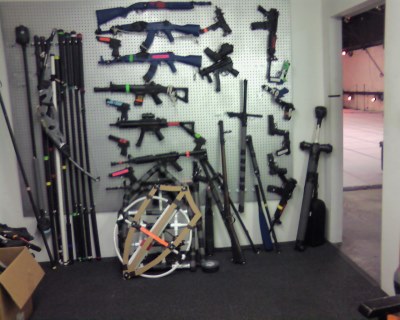
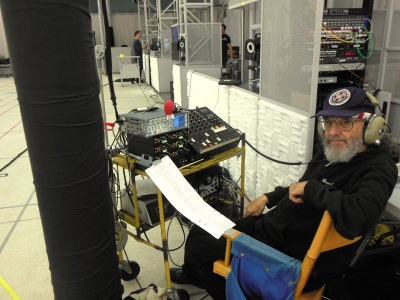 Reflective objects are verboten in or even near the volume. Any Scotchlite strips on shoes or clothing need to be taped over, and if the anodizing is worn off of the clutch knobs on your fishpole, they will need to be covered with black paper tape. Some poles’ shiny tube sections are a problem too, and black cloth tubular shrouds can be purchased to slip over the entire fishpole. J.L. Fisher has black-anodized booms available to rent for use on capture shoots. If you have work lights on your cart, be sure their light bulbs are not directly visible to any of the capture cameras.
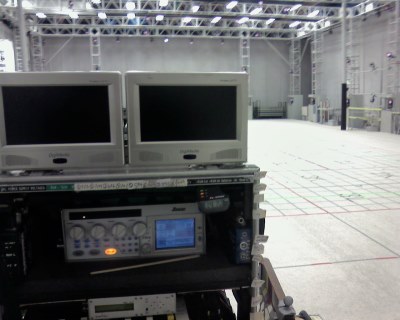 The usual recording format is mix on Channel 1, boom (if used) iso’d on Channel 2, and wireless mikes (if used) iso’d on succeeding channels. You will send a line-level feed of your mix to the IT department, where it will be distributed to the reference cameras and imported into the editing software. Your isos may also be sent into the system during production.
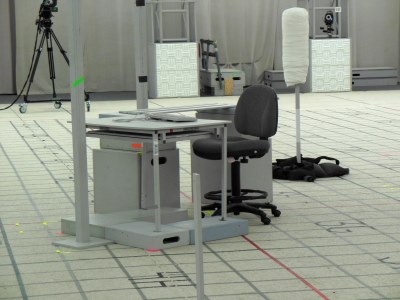 Unless long cable runs are involved, this impedance mismatch usually does not cause problems. (See the cable articles for using balun transformers.) The best you can do is to use mike cables with XLR TC sources and 75 coax cables with BNC TC sources. If this does not match the TC input connector of your recorder, try a simple hard-wired adapter before going to a balun. If the recorder’s display shows a solid indication of the proper frame rate and there are no error flags, you are probably okay. If this is a long-term project, you should have time for a pre-production test, if not, cross your fingers. (Or invest $10,000 in a time-domain reflectometer to measure the jitter in the “eye pattern” and determine the stability of the TC signal at your end.)
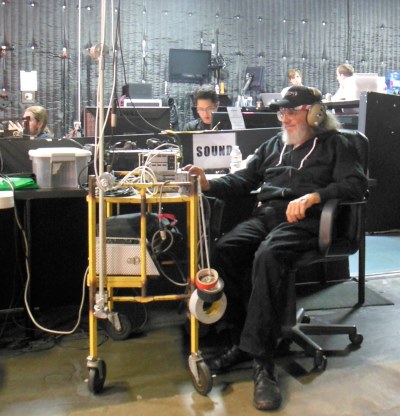 When it comes to booming a CGI–capture scene, there is good news and bad news. The good news is that you don’t have to worry about boom shadows. The bad news is:
 In addition to the usual noise problems on a live-action stage, the volume has some unique ones:
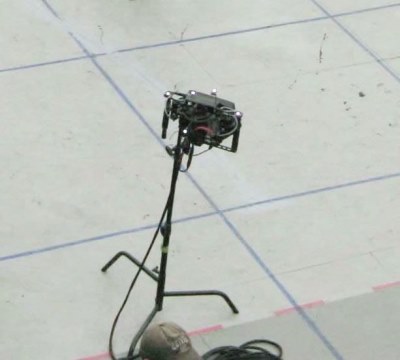 When a virtual camera is in use on a multi-day shoot, the capture days may not be contiguous. After a certain amount of capture has been done, the main crew and cast may be put on hiatus while the director wanders around the empty capture stage with the scene data being played back repeatedly. The crudely rendered video will appear in the handheld monitor, from the POV of its current position. The director can then “shoot” coverage of the scene: master, close-ups, over-the-shoulders, stacked-profile tracking shots, etc. This procedure ensures that all the angles “work.” If not, the director has two options: re-capture the scene on another day; or fix the problem in the computer by dragging characters into the desired position and/or digitally rearranging the props, set or background.
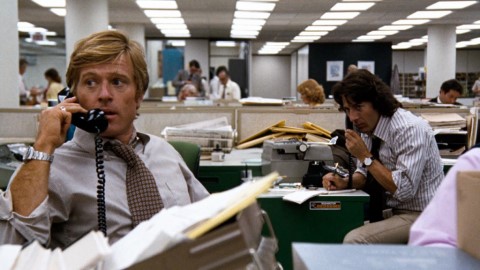
 One day in 1981, while standing in line at a bank, I struck up a conversation with an older gentleman who said he was a retired Prop Master. When I replied that I was a Boom Operator, he said that his son, Chris McLaughlin, was a Boom Operator. “Really, Chris McLaughlin is revered among boom operators. He works with Jim Webb and gets equal billing with Jim as the sound team.” The next day, I got a call from Chris. “Who are you, and why are you saying nice things about me to my pop?” We chatted a bit about mikes and booms and stuff. “What do you like,” he asked? “A Schoeps is my favorite.” “We use an 815 on everything. We did All the Presidents’ Men with one 815 underneath and won an Oscar.” You had to be spot-on with an 815 or it would sound funky; if you could handle one all the time you were a real Boom Operator.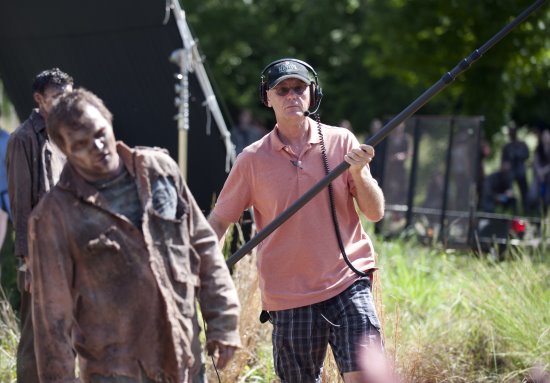
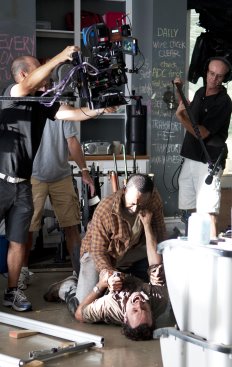 Well, seven days went by and I still hadn’t booked anything for the following week, so I thought, “Heck, three weeks with a bunch of rotting corpses in sunny Georgia couldn’t be too disgusting, and it’s not like I have to eat lunch with them.” Like any Boy Scout film worker during lean times, I called the Sound Mixer back and asked, “Still looking for a good Boom Operator?” He said, “Yes, come on down.” I shook off the disquiet that they were only three days from needing someone and hadn’t yet filled the position. “Oh well, they’re paying me housing and per diem, plus a box rental and rental car … I’m outta here!”
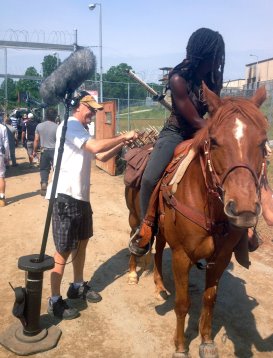 Oh, and it turns out, I did have to eat with those zombie things. Nothing like lunch with a gooey corpse sitting across the table from me, spoonfeeding itself through displaced dentures into its black-and-blue prosthetic face—yummy. But, it’s those little tufts of half-dead hair that really creep me out.
 Later, I learned that, due to time constraints, upper management restricted freedom to make corrections. The production schedule was so relentless that, at one time, they had adopted a policy of using radio microphones exclusively. They didn’t ever want to see a boom over any actor and were determined to fix any sound problems in Post. The Sound Mixer went on to tell me stories about how they would wait for “Roll Sound,” get the sticks and then, at the last second, slip the boom in for some of the close-ups.
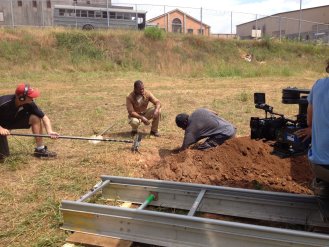 Obstacles and frustrations aside, I figured I better work hard, have patience and keep a good attitude. The actors were fabulous and supported my efforts from the beginning. In fact, I remember the Sound Mixer telling me, when he was trying to entice me to do the show, that the actors were very warm and accommodating and kept him motivated to do good work. People like Andy Lincoln (as Rick Grimes), Norman Reedus (as Daryl), Scott Wilson (as Hershel), IronE Singleton (as T-Dog), Jeffrey DeMunn (as Dale), Lauren Cohan (as Maggie) and Steven Yeun (as Glenn) would come up to me and give me a good-morning hug. I hardly knew these folks, and they welcomed me like family. Jeffrey DeMunn said it first, and he said it the most, “WE are the Walking Dead” WE, the cast, crew and abovethe- line executives, ARE THE WALKING DEAD! It’s still true of the cast to this day. The Georgia heat, the remote locations, the grueling production schedule, the absence of zombie hygiene and chiggers, make this a very difficult show, but the spirit the actors bring to the project keeps the crew working together as a team.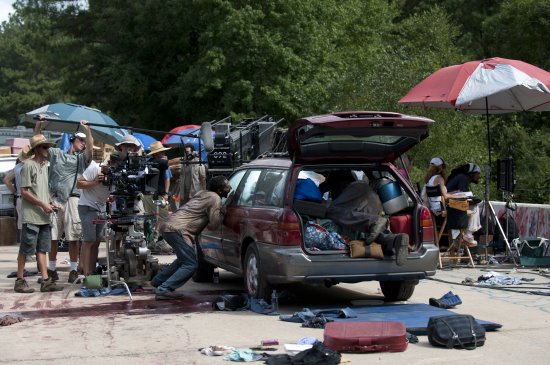
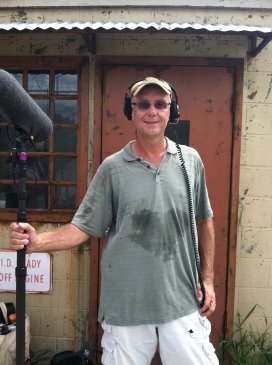 Episode 405, “Internment,” is illustrative. The Director, David Boyd, one of the former DPs on the show, believes in guerrilla-style filmmaking, using multiple cameras in obscure positions. The episode took place mostly in the prison cells, where Scott Wilson (Hershel) would tend to the near-death patients. These cells are really only about 10 feet by 10 feet with a bunk bed on one side. Director Boyd staged the scene with three actors, three cameras and two operators. Radios couldn’t be used because the actors had blood on their chests and air masks on their faces so my assignment was to squeeze into the cell with everyone else and get the dialog. My regular position in these scenes was either standing on the upper bunk or squeezed between an operator and the wall, only inches from the talent.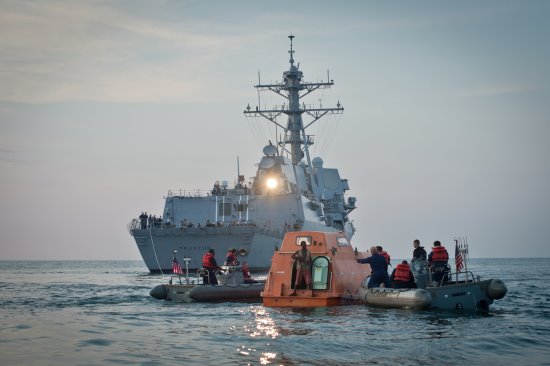
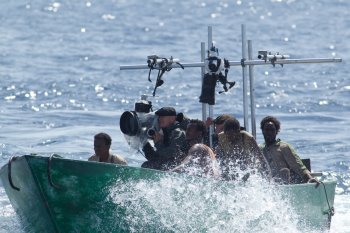 Having worked on five James Bond films, I was no stranger to action sequences involving water, especially the boat-chase sequences on Quantum of Solace filmed in Panama. On Captain Phillips, I needed waterproof lavalier microphones that also sounded good out of the water so I chose to use Da-Cappo DA04s (now Que Audio performance series in the USA). These are very popular in theater because of their very small size but have great waterproof qualities due to the inlet size being smaller than a droplet of water. I mounted them upside down so that no water settled on the microphone. I had to develop a system for getting longer range reception for recording in the high-powered pirate skiffs. I used Audio 2040 mini-tx radios in aquapacs on the pirates. The receivers were built into secret compartments in the skiffs where audio was recorded and re-transmitted to the bigger boat that we were all on. We were regularly recording up to 16 tracks and feeding a mix to Video Assist, the Director and Camera Operators. I recently wrapped on Heart of the Sea, with Ron Howard where again I was able to use what I had learnt. Months before I started on the film I said to the boat builders, “I need you to build these secret compartments…”
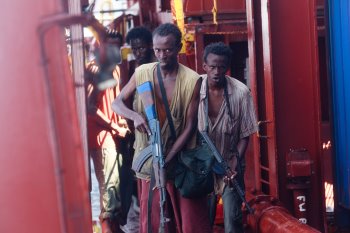 On Captain Phillips, we were based in Malta on a container ship, which was our studio for much of the film. Each department had a base in one or more of the containers to store equipment and carry out any maintenance. We still needed to be highly portable as we would shoot inside the ship, perhaps in the engine room or cabins while heading out to sea and returning to port, and shoot on decks and the bridge when at sea. There were a lot of stairs, and some passageways were very narrow. Generally, we were shooting multi-camera without rehearsals and all with improvised dialog, sometimes with the scene playing out between several groups in different parts of the ship.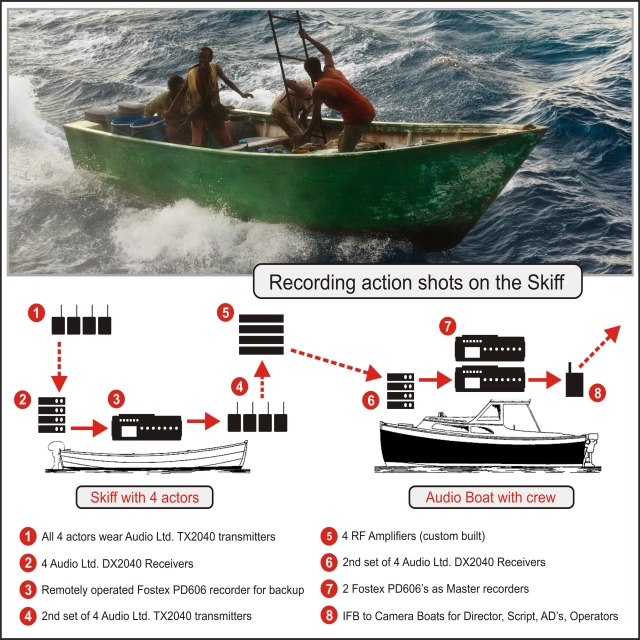
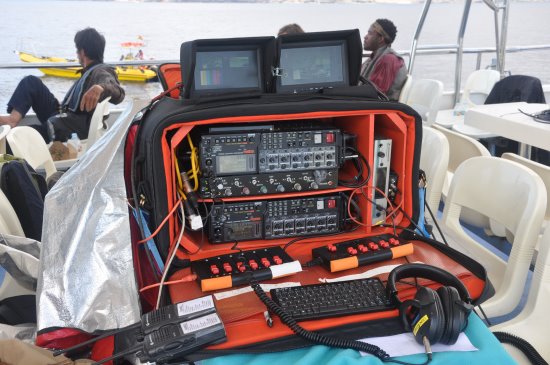
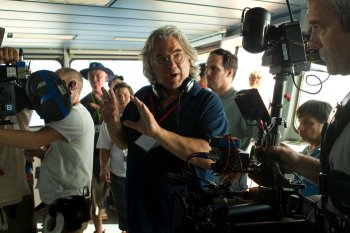 Oliver Tarney was Supervising Sound Editor. I had also worked with him on United 93 and the two Sherlock Holmes films with Guy Ritchie. One of the best things we were able to do was to get Oliver to spend a weekend with us on the ship recording sound FX. Not only did he get the FX that he needed, but he also got to experience the ship and to understand how it should sound at sea and its geography. He also got to experience being in the lifeboat—known by us as the vomit vessel—certainly not a pleasure craft!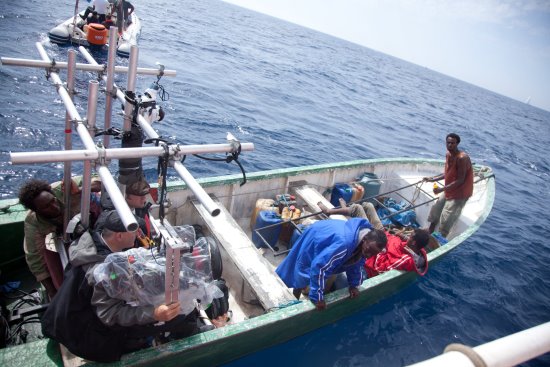
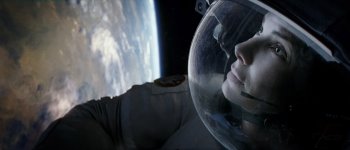 Gravity was a completely different experience from anything I had previously worked on. When I first got the call and was told that there were only two actors in the film and that there is no sound in space, it sounded like the perfect job! Then when I met Alfonso Cuarón and he started to talk about his ideas for the film, I was hooked and immediately knew that this was going to be something special. Every few years there is a film that breaks the technological boundaries— this year it was Gravity. The first issue was that both the cameras and the actors could be on robotic arms. I had recently shot a small sequence with these and knew that, although the arms could move with not too much noise, the associated power supplies and controllers were very noisy. So the first job was to negotiate that these could be extended and built into blimps far away from the action.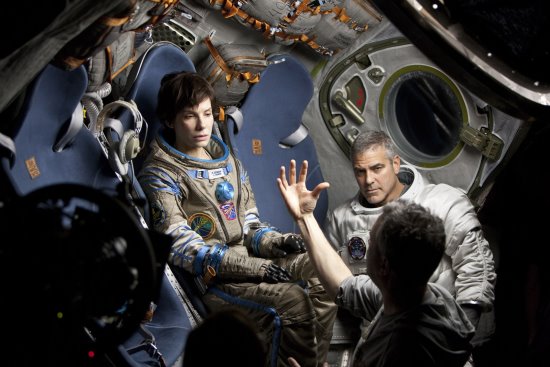
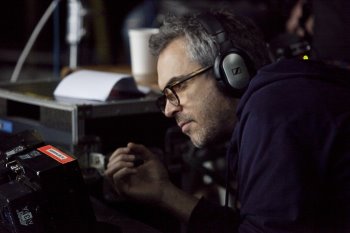 Alfonso Cuarón originally had a plan for all of the radio conversations and OS dialog to be live, and we had planned to have different rooms in the studio for those to be performances. However, due to artist availability and other issues, this proved to be impractical so we prerecorded as much as we could. Most of the pre-records were guides that were re-recorded as ADR in Post Production.
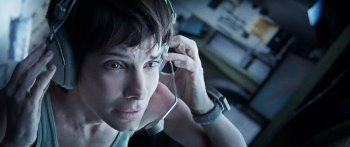 Here was another opportunity to use the Da-Cappo microphones— this time because of the very small size. The microphones used were a mixture of a Da-Cappo capsule that Jim McBride, our tech support engineer, had fashioned to an arm connected to the inner helmet and a latex shield that we made for both visual accuracy and to reject noise from outside the helmet. A second Sanken COS-11 was sewn into the inner helmet as were earpieces for communication. We also had in-ear molds made for some scenes. Each different piece of headgear that Sandra Bullock wears in the film contained practical microphones and earpieces. Even the classic Russian headset that she uses at one point has a built-in transmitter and receiver. We achieved this by borrowing bare 2040 mini-transmitter boards from Audio Ltd. and building them in to headsets.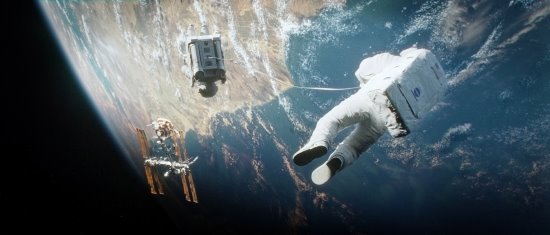
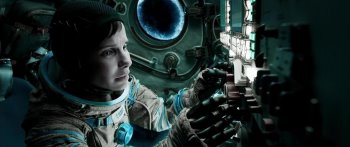 The Director and the 1st AD needed to be able to communicate with the actors and DP, Camera and other departments without distracting the actors when giving technical cues. The costumes and helmets so completely isolated the actors that they needed an audio feed both to hear each other and also to hear their own voices. Allowing them to hear themselves, but at a reduced level to avoid distraction, required a second layer of IFB feed to each.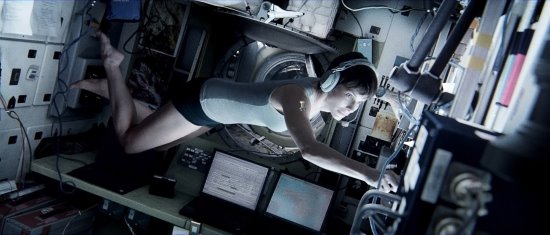
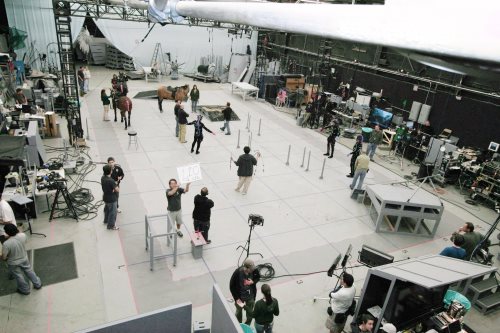
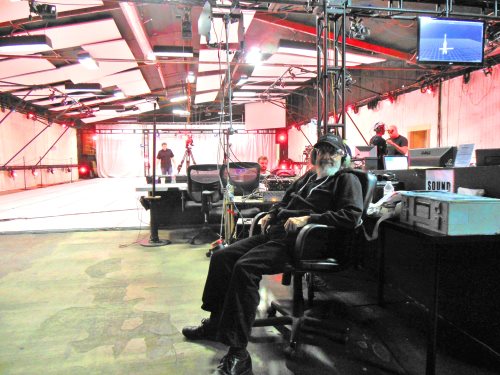
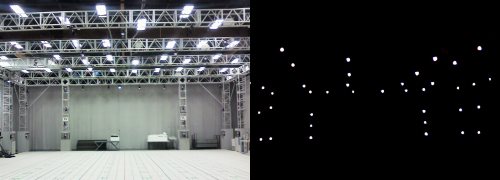
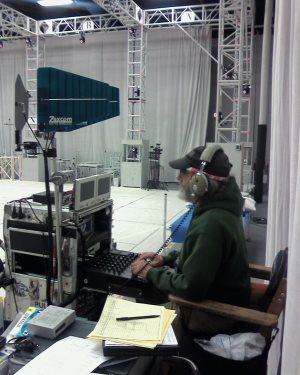 If MoCap is to be used on the actors’ faces, smaller, BB-sized reflective spheres are glued directly to the skin, sometimes in the hundreds. When too many have fallen off, work stops until they can be replaced, a process that takes some time because they must be precisely positioned.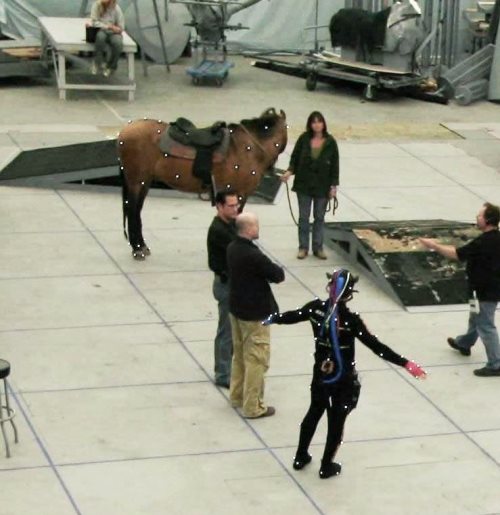
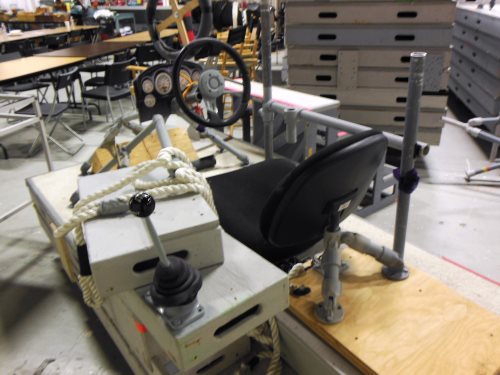
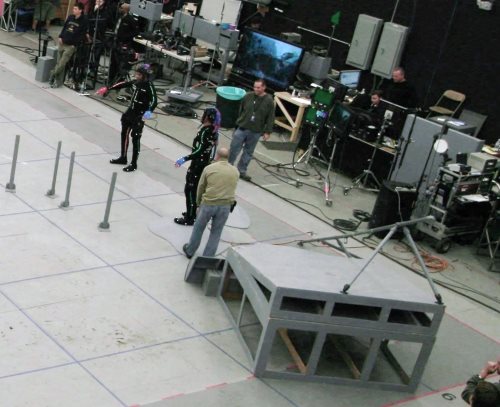
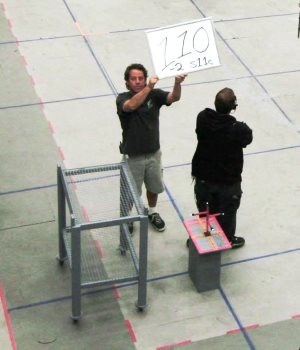 Multiple conventional HD video cameras are used in the volume for “reference.” These cameras cover the scene in wide shots and close-ups on each character. This allows the Director to judge an actor’s performance before the data is rendered into the animated character. A secondary function is to sort out body parts when the MoCap system gets confused and an arm sprouts out of a CGI character’s head. Looking at the reference shot, the Editor can figure out to whom it belongs, and mouse-drag it back into its proper place. In most stages, the cameras are hard-wired into the system so they have house-sync TC and do not normally require TC slating. They may use DV cassettes and/or send the video directly into the system.
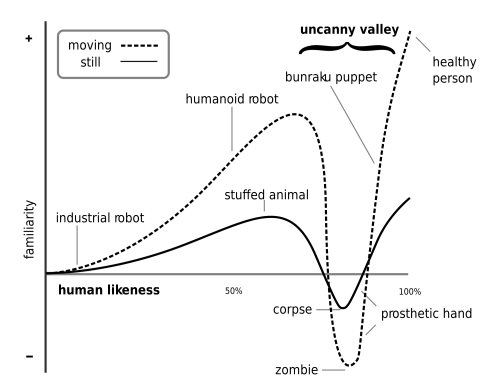
 A graph of the “realism” of a character versus its acceptability starts at the lower left with obvious cartoon figures and slowly rises as the point moves to the right with increasing realism. But before the character’s image reaches a peak at the right edge, where photographic images of actual human beings fall, it turns sharply downward into the valley, and only climbs out as the character becomes “photo-realistic.” Even an image of a real human corpse (possible disease transmission) is in the valley, as would be that of a super-realistic zombie.

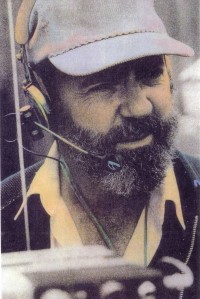 James E. Webb Jr. is justifiably renowned for his work developing multi-track recording on a series of films for Robert Altman. He captured the dialog from multiple cast members and interlocking story lines on such iconic films as Nashville, Buffalo Bill and the Indians, 3 Women, and A Wedding. He pioneered the multi-track process.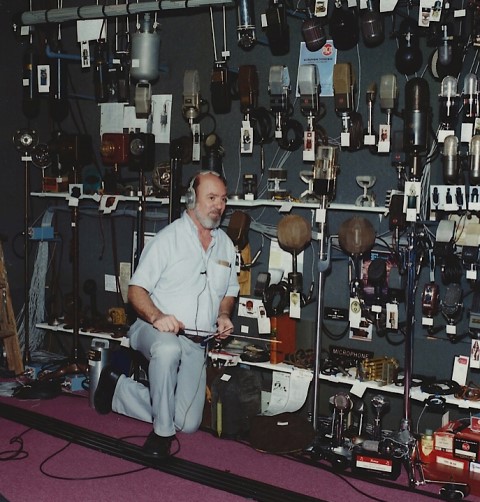
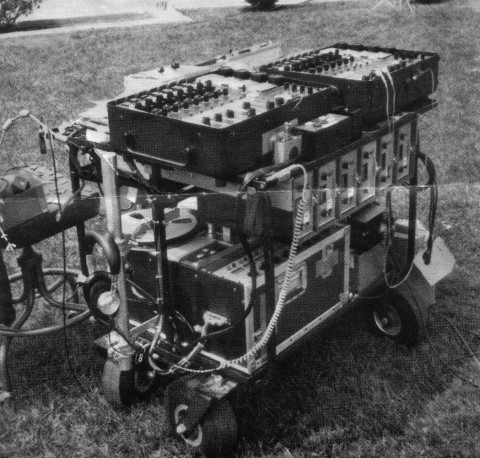
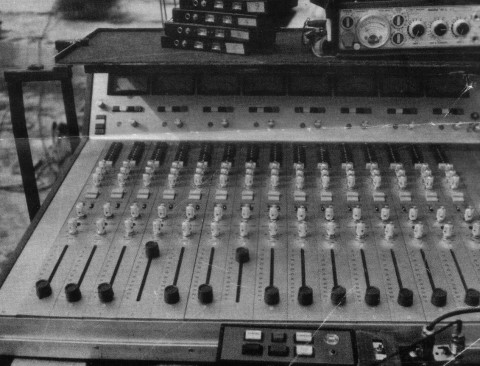
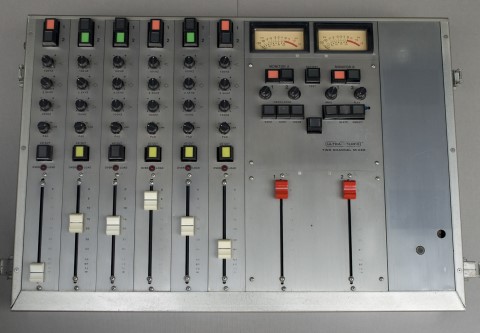
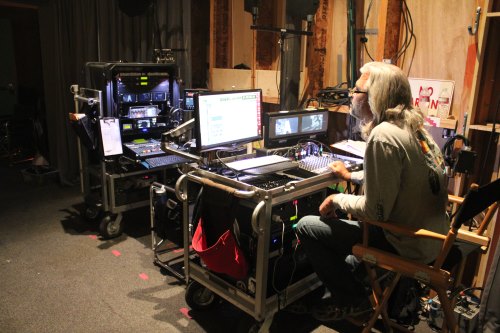
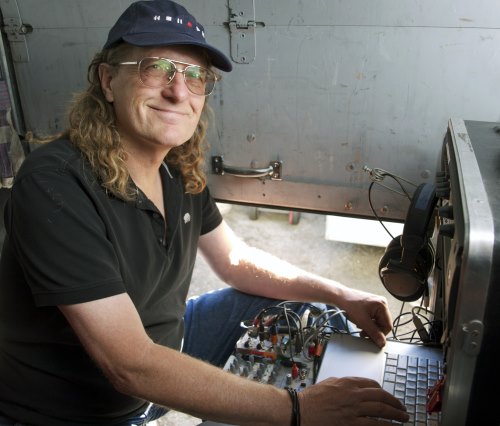
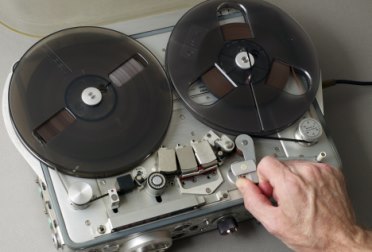 Editor bringing down this big box of about 50 seven-inch reels and us sorting through them. Then Mark announced he wanted to do the master shot all the way through. Duke Marsh, who was doing the playback with me, grabbed a second Nagra and we loaded the first part of the desired mix of the song on Nagra 1, the middle of the same song on Nagra 2, and stood by holding the pinch roller ready to let it fly on Playback. As Nagra 1 was playing, we had to start Nagra 2 at the correct spot and then, while it was playing, reload Nagra 1 with the end of the desired mix. I remember Mark Rydell came up to us after our successful playback day and said he wouldn’t do that job if someone held a gun to his head.
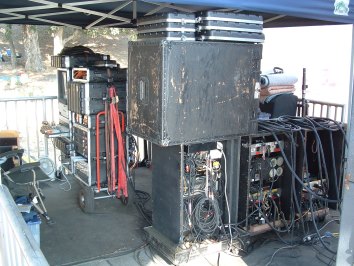 For this reason, in 1993 I switched to Pro Tools, a nonlinear computer-based system. If we had been using Pro Tools in 1990 when we did For the Boys, we could have loaded all the various playback combinations into one session and been happy clams. Pro Tools (computer-based recording, editing & playback) was vastly superior to tape systems as far as “function” (ability to manipulate the audio), although not necessarily “performance” (sound quality). It took a while for the computers to catch up with the sound quality of a Nagra; however, for playback applications, the tradeoff between function and (audio) performance was decidedly biased toward function. This is why the computer-based system (Pro Tools or similar) has become the de facto standard.
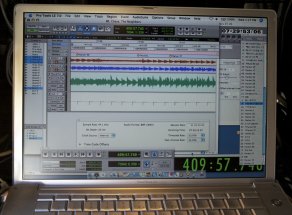 On Drag Me to Hell, a séance scene required reverse playback of the actors’ live lines. These effects could not have normally been done on set with a tape-based system.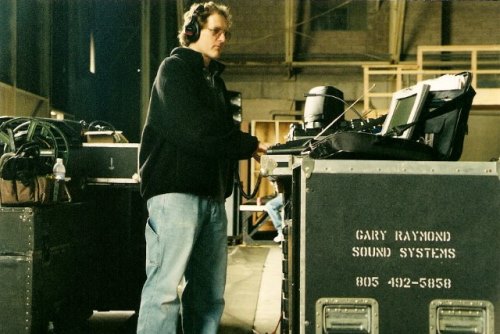
 As a Local 695 professional, we hear a lot of crazy things at work and no, I’m not talking about that sick old generator staring at you fifty feet from set.
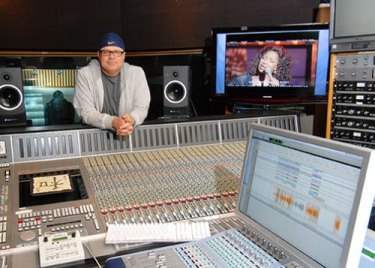 How a production approaches the pre-record sessions influences the success of the whole venture. A good pre-record session should take place with awareness of how the scene is to be shot and the pace of the performance should mesh with the demands of dancing, screen action and other visual elements. Ideally, the same singers who appear on camera should record their own performances for playback (PB) tracks. It’s more natural for actors to match their own performances rather than a hired studio singer. The transition from dialog to music to dialog is more believable if the voice is the same throughout. And, if done well, the pre-record functions as a first rehearsal for the scene. It should be executed long enough in advance so that the musical performance can “season” in the actor’s brain for at least a few days.