By Mark Ulano CAS AMPS
(with contributions from a global panel of Production Sound Mixers)
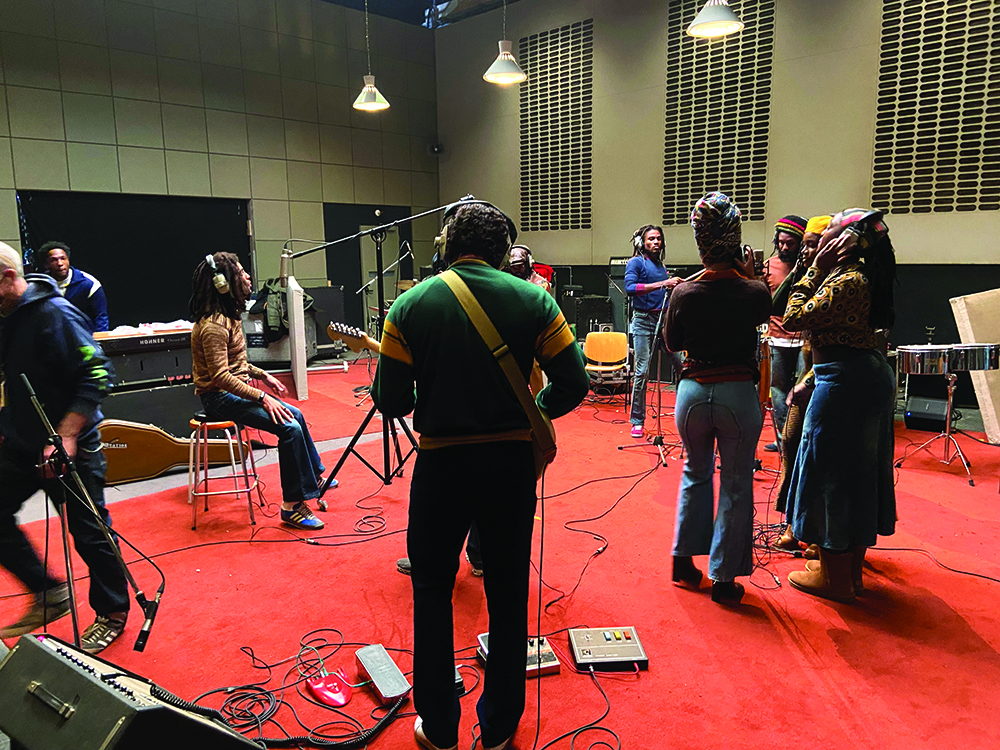
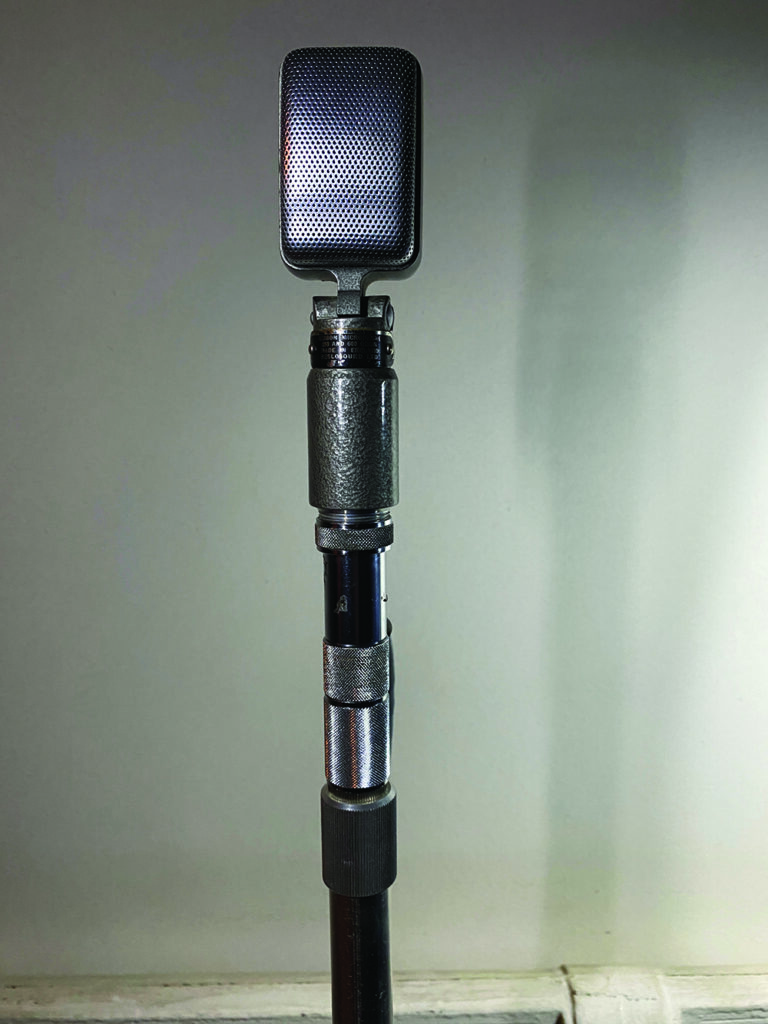
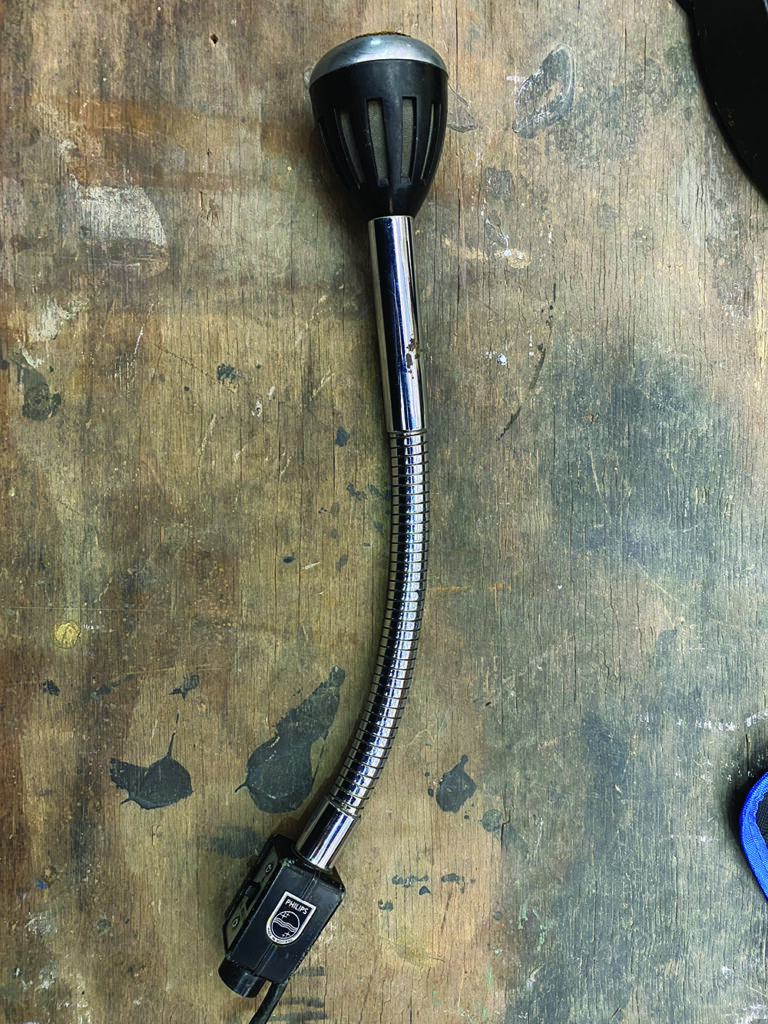
The functioning period microphones used on the recording sessions for
Bob Marley: One Love
There is a moment, somewhere between the hum of a stage light and the first breath before a line of dialog, when sound becomes time travel.
In cinema, we obsess over the visual cues that locate a story in history—costumes, lenses, grain, color palettes. Yet sound, just as powerfully, anchors us in a specific era. The crackle of a ribbon microphone, the nasal bite of an early dynamic, the bloom of a tube preamp—these are not just technical artifacts. They are emotional signals. They tell us where we are.
For a group of veteran Production Sound Mixers gathered across continents—from Italy to London to Detroit to Los Angeles—that idea is not theoretical. It is daily practice. Their shared conversation reveals a craft that is at once deeply technical and profoundly intuitive: the use of period microphones in period storytelling.
What emerges is not simply a discussion of tools, but a philosophy of listening—one that blends history, improvisation, and a stubborn insistence on authenticity in an age of infinite digital control.
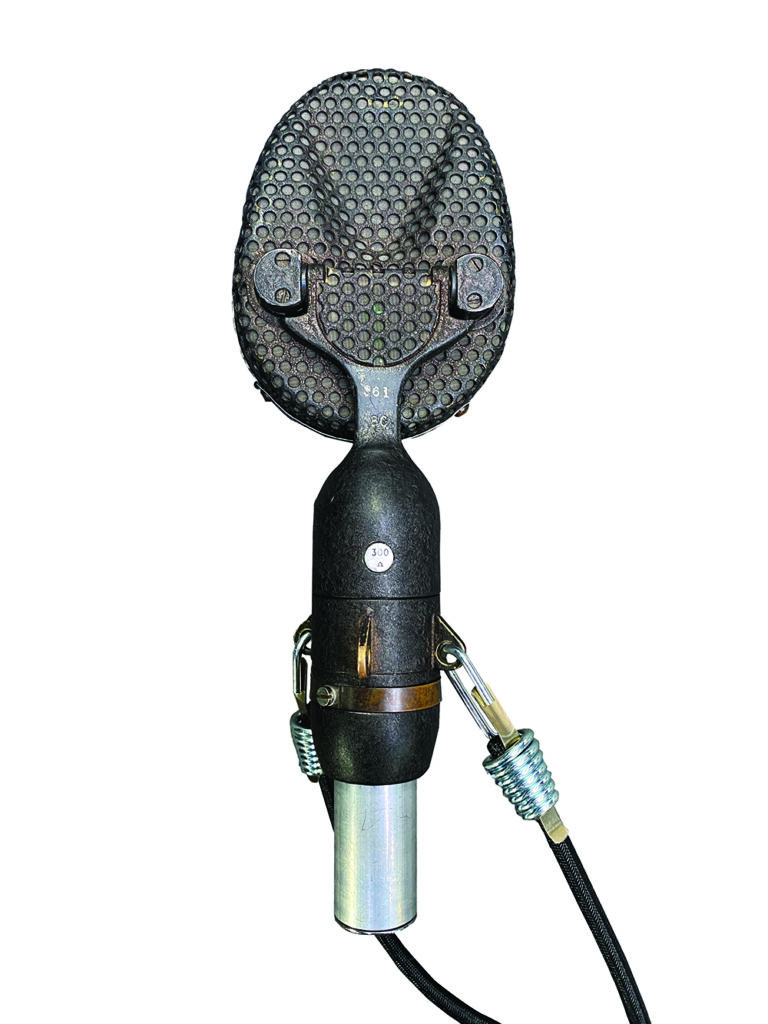
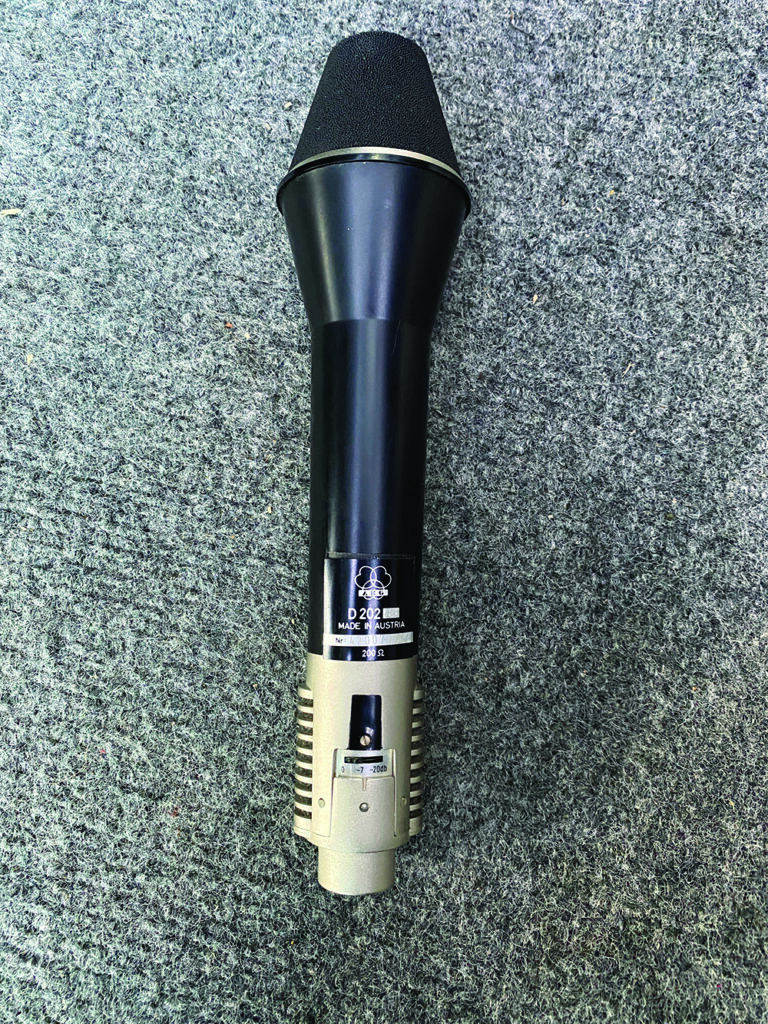
The Case for Authenticity
For many mixers, the argument begins with a simple premise: If a microphone appears on screen, it should work—and it should sound like itself.
Tod Maitland, whose recent work includes music-driven period films, articulates this instinct clearly. Whenever a period microphone is visible, he uses it. Not as a prop, but as a functioning part of the sonic chain.
“I will always use them whenever I possibly can,” he explains. “Find the ones that work, find the ones that fit the time period, and use them.”
The goal is not nostalgia for its own sake. It is texture. The tonal character of microphones evolved dramatically over the decades—early designs emphasizing midrange presence, later ones offering smoother frequency response and more robust low end. These differences are not subtle when placed in context. They shape how a voice sits in space, how a performance feels.
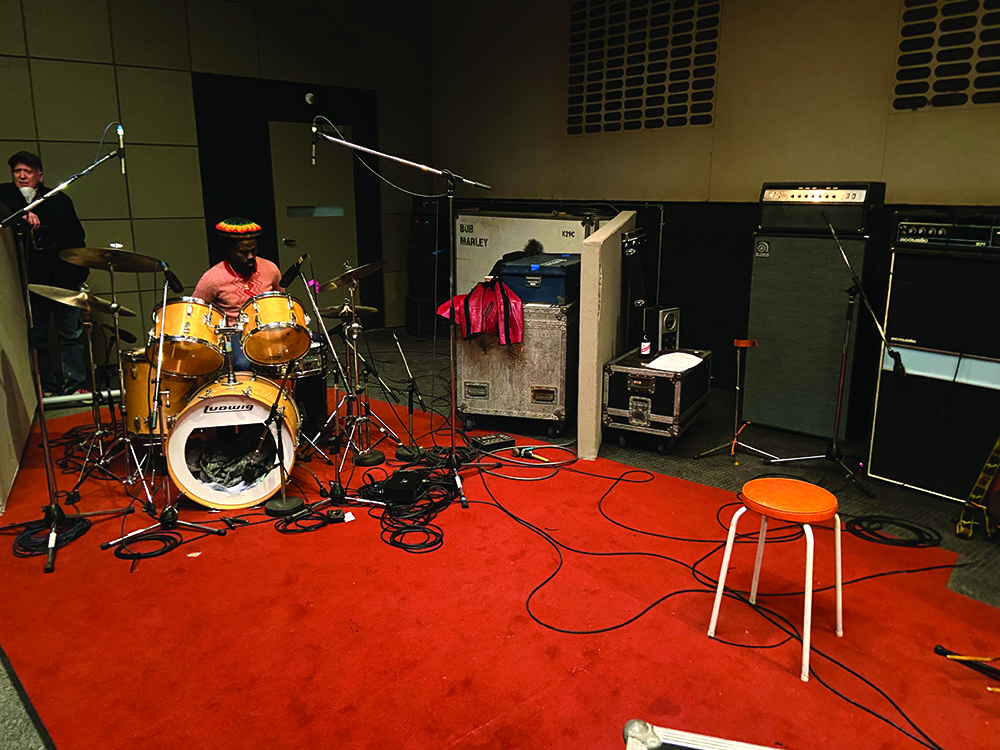
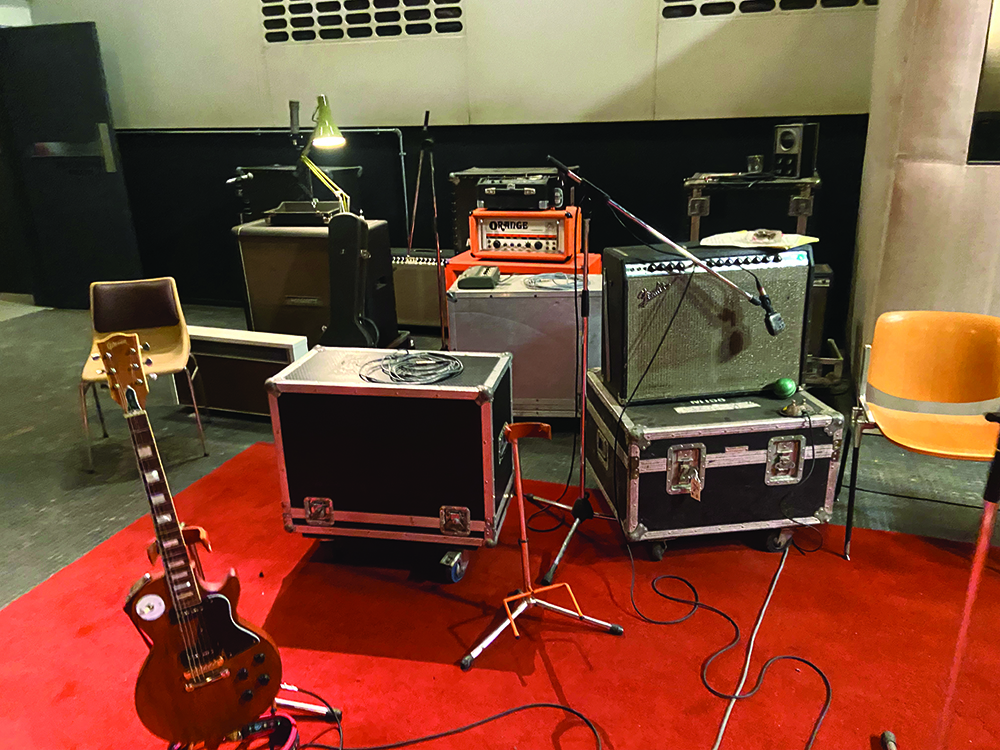
Chris Munro, reflecting on his work recreating the world of Bob Marley, encountered this firsthand. Initially, the production leaned toward pre-recording musical performances—a common modern approach. But something felt wrong.
“The point about this film,” he says, “was that it was about him finding the music. It was about jamming.”
Pre-recorded tracks, no matter how polished, lacked the immediacy of discovery. The solution was radical in its simplicity: Record live, using period-appropriate instruments and microphones—even if those microphones barely functioned.
Many didn’t.
“We spent our time repairing them,” Munro recalls. “Sending them wherever we could to get them working.”
What they gained in return was something impossible to fake: the unpredictable, imperfect energy of live creation.
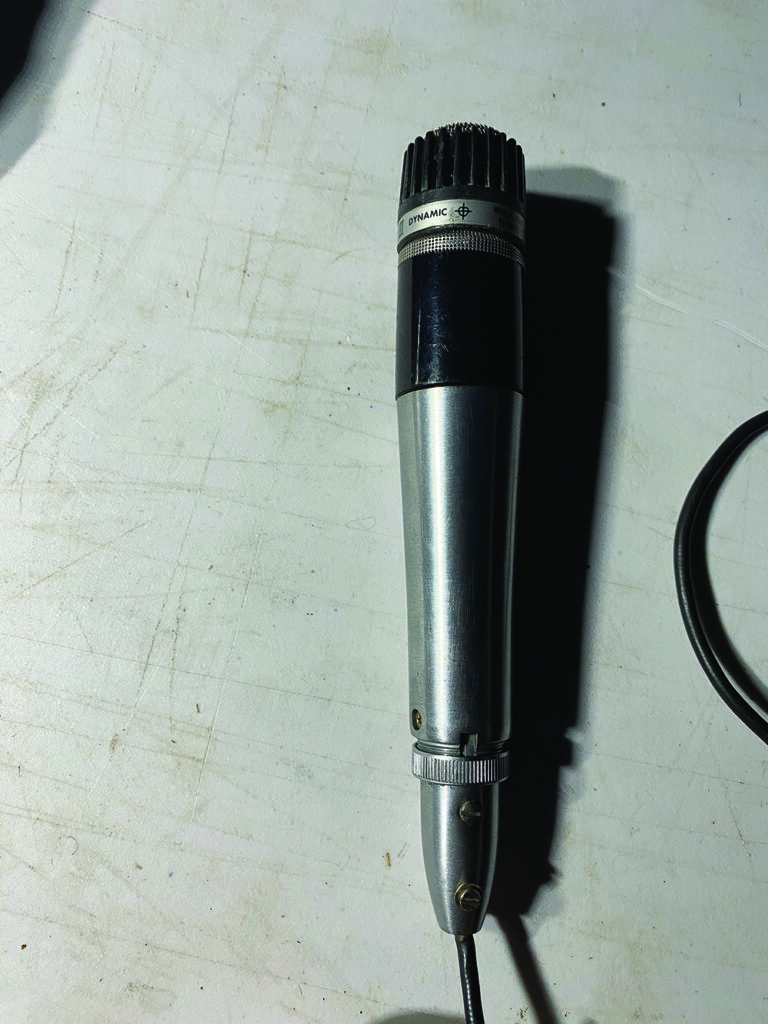
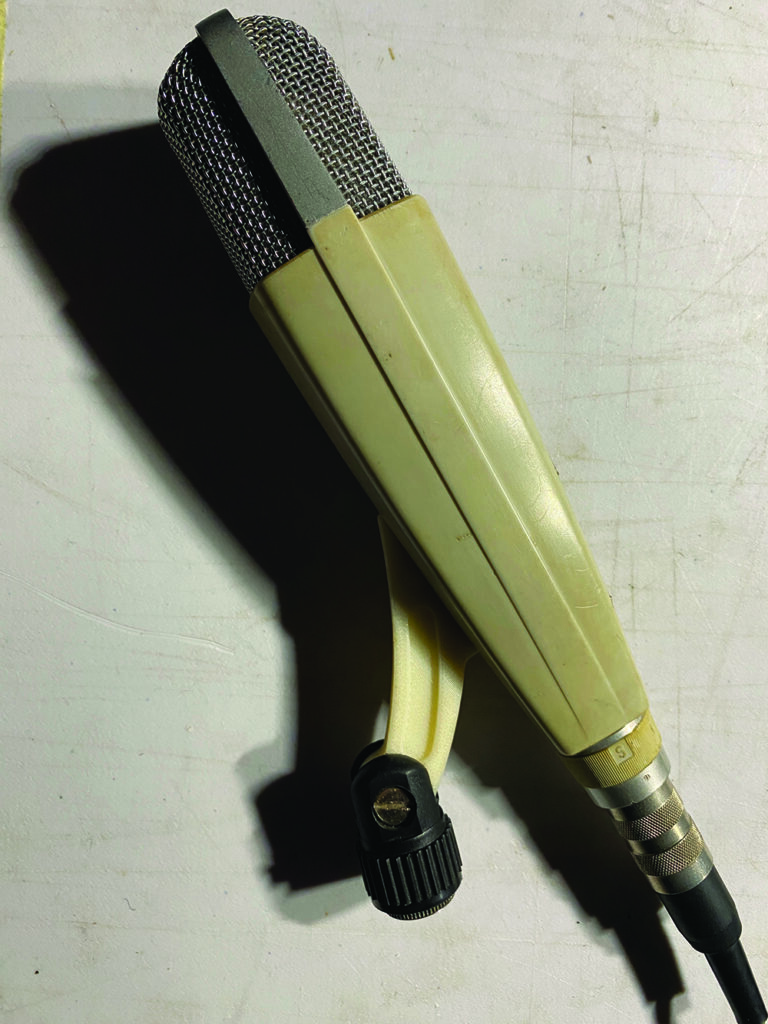
Imperfection as Truth
Across the panel, one theme recurs with striking consistency: Imperfection is not a flaw—it is a feature.
Modern recording technology offers extraordinary clarity. But clarity is not always the goal. In fact, too much precision can undermine the illusion of time.
“I quite like it when some of this stuff isn’t perfect,” Munro says. “A bit of puffing and popping—I don’t want them to be too perfect.”
Stuart Wilson echoes this sentiment, describing how the physical behavior of microphones—the way they distort, the way they respond to proximity, even the way they handle noise—becomes part of the storytelling language.
“If someone turns off the mic or pops on the mic, that sells the sync,” he notes. “That sells it.”
In recreating early Beatles performances, Wilson embraces the rawness of the era. Cheap ribbon microphones, uneven frequency response, distortion under pressure—these are not problems to be corrected. They are the sound of history.
“There’s a kind of punk rock aesthetic,” he says. “They’re not polished until later. That comes with the story.”
This approach challenges a deeply ingrained habit in modern production: the pursuit of technical perfection. Instead, it asks a more nuanced question—what does this moment feel like?
The Hidden Collaboration
Despite its importance, the use of period microphones rarely originates with directors or producers. More often it begins with the sound team.
“I find that they’re into it once you lead them to it,” Maitland observes. “They’re not going to suggest it. They don’t know.”
This dynamic places a quiet responsibility on the mixer—not just to execute, but to advocate. To recognize opportunities for sonic authenticity and guide the production toward them.
The key, as several participants emphasize, is timing.
“You’ve got to get in early,” says Steve Cantamessa.
Early involvement allows the sound department to influence prop sourcing, coordinate with art direction, and ensure that what appears on screen can function in practice. Without that input, productions risk ending up with visually accurate but sonically useless artifacts.
“You can’t have the prop person bringing in a bunch of garbage that don’t work,” Cantamessa adds.
This collaboration extends beyond props to include instrument technicians, set decorators, and even electrical departments. Period microphones are notoriously sensitive—to interference, to humidity, to physical handling. Making them work requires a coordinated effort.
But when it succeeds, it creates a rare alignment between image and sound—one that audiences may never consciously notice but instinctively feel.
The Hunt for the Real Thing
Sourcing period microphones is both an art and a logistical challenge.
Unlike modern equipment, which can be rented from standardized inventories, vintage microphones exist in a fragmented ecosystem of collectors, specialists, and small vendors. Their condition varies wildly. Many require restoration. Some are too fragile for production use.
Yet for those willing to search, remarkable resources exist.
Ed Moskowitz points to dedicated collectors whose inventories rival museum collections—individuals who not only preserve these microphones but restore them to working condition.
“These are their babies,” he says. “They vet productions before they rent them out.”
The process often involves testing multiple units of the same model to find those that perform reliably. As Stuart Wilson notes, obtaining six microphones might yield only a handful that truly works.
Inside, the challenges can be surprising. Foam insulation disintegrates. Wiring corrodes. Components designed decades ago interact unpredictably with modern systems.
And yet, this fragility is part of the appeal. These microphones carry history—not just in their design, but in their wear, their quirks, their accumulated imperfections.
Old Technology, New Workflows
If the microphones themselves belong to another era, the workflows surrounding them are unmistakably modern.
Digital recording systems, multitrack capabilities, and networked audio protocols like Dante allow mixers to capture far more information than ever before. This creates a fascinating tension: analog character meeting digital precision.
Munro describes using vintage microphones routed through modern digital systems, sometimes converting to digital signals almost immediately.
“Is that sacrilege?” he asks.
The answer, predictably, is nuanced.
Some mixers prefer to maintain analog signal paths as long as possible, preserving the interaction between microphone and preamp. Others embrace digital workflows for their flexibility and noise resistance.
Maurizio (a veteran of Italian cinema) frames this not as a conflict, but as a process of “harmonization.”
Rather than treating period technology as obsolete, he integrates it into a contemporary system—retaining its sonic character while mitigating its limitations.
“Why emulate something,” he asks, “when you have the original?”
At the same time, he acknowledges the need to adapt—reducing noise, stabilizing performance, ensuring compatibility with modern production demands.
The result is a hybrid approach: the past and present coexist, each enhancing the other.
The Fragile Contract of Sound
There is, as Production Sound Mixer Simon Hayes describes, an “unspoken contract” between a film and its audience—and nowhere is that contract more fragile than in the sound.
While filmmakers often prioritize visual authenticity when recreating a period—through lenses, film stocks, and production design—sound carries its own deeply embedded memory. Audiences may not consciously analyze it, but they recognize it immediately. Whether through lived experience or cultural exposure, they understand how a performance from a given era feels.
From a production sound perspective, maintaining that belief is essential. The role is not simply to capture dialog or performance cleanly, but to support the illusion. And that often means resisting the seductive precision of modern recording technology.
Period microphones play a crucial role in this process. They bring with them not just a visual authenticity, but a behavioral one: a particular signal-to-noise ratio, a tonal softness or brittleness, a tendency to distort under pressure, the influence of proximity, even moments of instability or popping. These characteristics are not flaws to be corrected. They are intrinsic to the sound of time.
Replacing them with the pristine, hyper-controlled output of contemporary microphones risks something subtle but significant. The audience may not be able to articulate the discrepancy, but they feel it. The sound becomes too clean, too present—detached from the image. In that instant, the illusion fractures.
The goal, then, is not modern fidelity, but historical truth. A sonic truth that aligns with the period, the genre, and often the specific artist or performance being portrayed. It is about choosing the right imperfections.
Cinematographers have long embraced this philosophy. They reach for vintage lenses, accept aberrations, even choose formats like Super 8 to ground an image in time. What they are doing visually is precisely what sound must do sonically: create an experience that feels authentic enough that the audience never question it.
Because the moment they do, the spell is broken.
The Mix That Defines the Film
If period microphones shape the raw material of sound, the production mix defines how that material is experienced—often long before post-production begins.
For many mixers, the dailies mix is not just a technical deliverable. It is the film’s first voice.
“We are judged by that mix,” Maitland insists. “That’s what the director hears. That’s what the studio hears.”
In earlier eras, when recording was limited to one or two tracks, mixing was a necessity. Decisions had to be made in real time. Miss a cue and it was gone.
Today, with extensive ISO tracks available, it is theoretically possible to defer those decisions. But the panel strongly rejects that approach.
“The mix track stays with the film for months,” Maitland explains. “That’s what people live with.”
Maurizio takes this even further, treating his primary mix tracks almost like a mastered product—carefully shaped to translate across devices, from mobile phones to editing suites.
“I try to give them the best experience possible,” he says.
This philosophy reframes the role of the production mixer—not as a passive recorder, but as an active storyteller. The mix becomes a guide, a proposal, a creative statement that informs the entire post-production process.
Learning to Listen
Underlying all of these practices is a deeper concern: the transmission of knowledge.
Many of the panelists began their careers working with analog systems like the Nagra recorder, where mixing was unavoidable and discipline was essential. That experience, they argue, shaped their instincts.
“You learned how to mix because you had to,” says Maitland.
Today’s tools, while powerful, can obscure that necessity. With unlimited tracks and post-production flexibility, it is possible to record everything without truly listening.
Several participants worry that younger mixers may miss the opportunity to develop those instincts—to understand not just how to capture sound, but how to shape it in the moment.
At the same time, there is optimism. The tools available today are extraordinary. When combined with an awareness of history, they offer unprecedented creative potential.
Chris Munro describes this balance beautifully: the ability to draw on past experience while embracing modern capability.
“It’s great that we can use the past and the present together,” he says.
Beyond Period
Perhaps the most provocative idea to emerge from the discussion is this: Period microphones are not only for period films.
Maurizio challenges the very notion of “period” as a limitation. For him, these tools are not relics but living instruments—capable of expressing something unique, regardless of setting.
Like a Stradivarius violin, their value lies not in their age, but in their sound.
This perspective opens a broader question: What defines authenticity in sound? Is it historical accuracy or emotional truth?
In practice, the answer is both. Period microphones can anchor a story in time, but they can also add character, warmth, and unpredictability to any project.
They remind us that sound is not just information—it is experience.
The Invisible Art
In the end, the work of a production sound mixer remains largely invisible. Audiences rarely think about microphones, signal chains, or dailies mixes. They simply feel whether something is real.
That invisibility is both the challenge and the reward.
As I think about it, sound connects characters to audiences in ways that are subtle but profound. It is part of the emotional fabric of storytelling—an unseen thread that binds image to experience.
Using period microphones is one way of honoring that responsibility. It is a commitment to detail, to texture, to the idea that how something sounds matters just as much as how it looks.
It is also, as several participants note, a source of joy.
“The most enjoyable thing we do,” Maitland says, “is creating that mix.”
In that moment—hands on faders, ears tuned to nuance, history and technology converging—the past is not recreated. It is reimagined.
And for a brief time, it lives again.
Resources for Functional Period Microphones
United Kingdom
Propamic
https://propamic.com/propamic
Contact Mike Bleach
Based at Elstree Film Studios
East Coast USA
Joshua Lutz
joshuamlutz@gmail.com
West Coast USA
Hollywood Sound Systems
Les Harrison
https://Hollywoodsound.com
323-466-2416
6908 Tujunga Ave.
North Hollywood, CA 91605