Respecting the Craft: What Goes Into the Work You Don’t See
In every production, there are moments that stand out—the performances, the visuals, the final product that reaches the screen. What often goes unseen is the work behind the scenes that makes those moments possible. For the members of IATSE Local 695, that work is constant, detailed, and essential.
Sound and video departments operate in a space with little margin for error. When everything works, it’s invisible. When it doesn’t, it’s immediately noticeable.
What may appear on the surface as a simple setup—a microphone, a playback system, a video assist feed—actually involves layers of preparation, coordination, and technical expertise. Long before a camera rolls, crews test equipment, coordinate with other departments, troubleshoot potential issues, and make adjustments to meet the specific needs of each production.
Every environment presents its own challenges. Whether it’s managing audio in difficult locations, adapting to last-minute changes, or ensuring seamless communication across departments, the work requires both technical skill and real-time problem-solving. There’s no pause button on set, and no opportunity to “fix it later” when it comes to capturing clean sound or maintaining reliable video workflows.
That level of consistency doesn’t happen by chance. It comes from experience, and the members of Local 695 bring years—often decades of knowledge to their craft. They understand not only the equipment, but how to work efficiently within the fast pace of production. They anticipate problems before they arise, communicate effectively with other departments, and adapt quickly when conditions change. This expertise also plays a direct role in keeping productions on schedule and on budget. Avoiding delays, minimizing retakes, and ensuring that technical systems function reliably all contribute to a smoother production process. In that sense, the value of skilled crews extends well beyond their individual departments.
The human element to this work shouldn’t be overlooked. Long hours, tight turnarounds, and physically demanding conditions are part of the job. Maintaining focus and precision under those circumstances requires professionalism and commitment. It’s a standard our members take seriously. For employers, understanding the scope of this work helps explain why proper staffing, realistic scheduling, and respect for established working conditions matter. These are not just contractual considerations—they are part of what allows crews to perform at a high level, consistently and safely.
For our members, it’s a reminder that the work you do—often without recognition—is critical to every production’s success.
Respecting the craft means recognizing both the visible and the invisible contributions that bring a project to life. It’s that collective effort, built on skill and experience, that continues to define the standard of our industry.
In Solidarity,
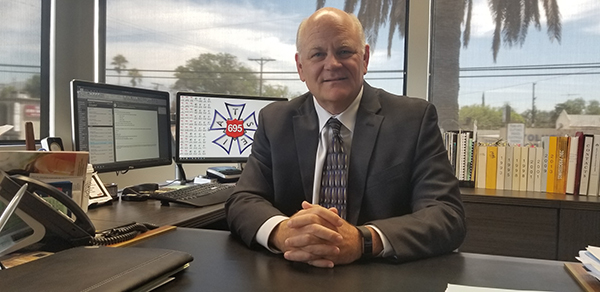
Scott Bernard
Business Representative