by Ed Novick
I was first contacted six months prior to photography on Michael and was aware that Antoine Fuqua would be directing. We have worked on many projects together, so I knew I’d have the support I needed. I didn’t know Producer Graham King, only by his excellent reputation.
I began a deep dive right away into the vast YouTube archive of the King of Pop. I was well aware of his catalog, not only from living in that era, but also from when I worked in retail hi-fi in NYC in the early 1980’s. We HAD to have copies of Off the Wall and Thriller available for demo with customers. We played those vinyl records so often, we wore them flat and bought new ones every week. Years later, as a Production Sound Mixer, I had the pleasure of working with Michael Jackson on the long music video Ghosts in 1995. I still remember how soft-spoken he was (and how LOUD he wanted the music!). As luck would have it, the Choreographers on Ghosts, Rich and Tone Talauega, were also the Choreographers on Michael. Talk about a long-awaited reunion! At that time, I also met and interfaced with Brad Sundberg, Michael’s Engineer and Technical Director. I called upon him again for help during my research for this film.
One of my first efforts was to meet with John Warhurst, the Music and Post-Production Supervisor on Michael to discuss a game plan. I was in the UK at the time and was able to meet John for lunch at BAFTA in Soho. Nice quiet place to eat, talk, and be among filmmakers. We agreed in principal, about which portions would be live vocal record and which would be filmed to playback. We also discussed the importance of being historically accurate regarding onstage microphones, as accuracy was sought in every department (costumes, hair/makeup, sets, etc.).
There’s video footage of nearly every public event in Michael Jackson’s life, though not all of it well preserved. Looking at grainy video (often more than forty years old), makes for a difficult study. In some cases, I was able to identify microphone make and model by myself. If unable, I shared a screen grab and forwarded the pic to a couple of mixer friends who delved into the live sound end of the business. Eventually, I was put in touch with Michael Pettersen, who is the Historian at Shure Bros. He was incredibly helpful, even about mics not manufactured by his company. Brad Sundberg was helpful in identifying what mics were used for particular songs and specific albums in the studio settings. I was also able to contact someone from Clair Brothers, the sound reinforcement company that provided the house PA and monitors for many of Michael Jackson’s tours, and I was able to get a stage plot diagram.
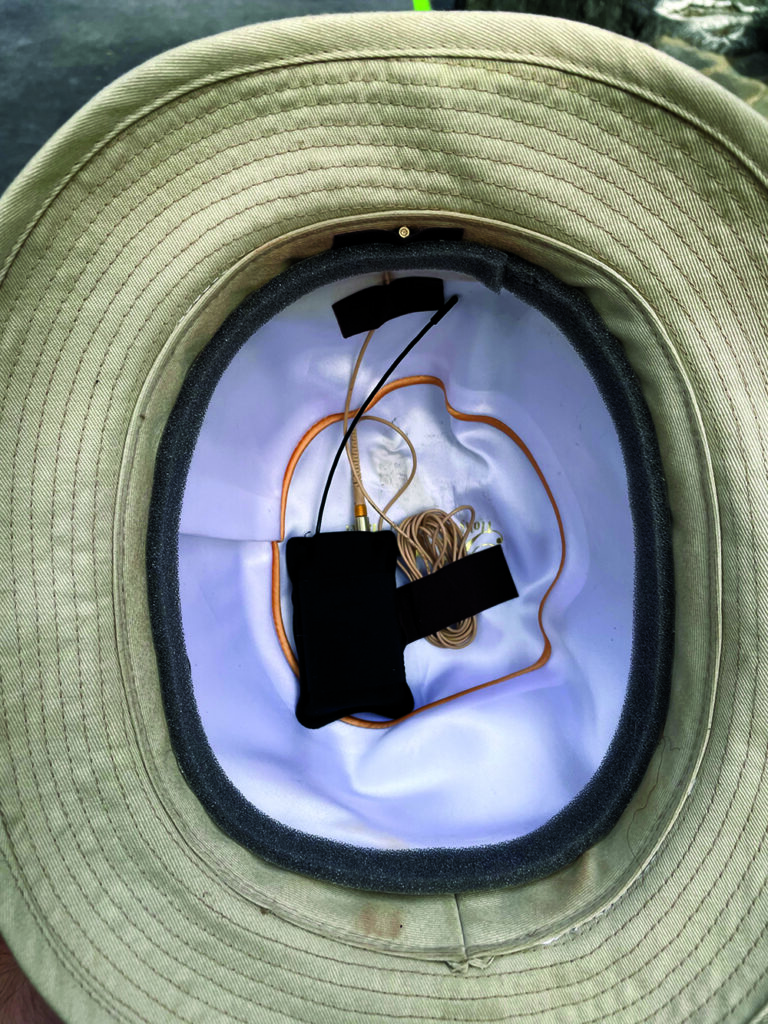
Next was interfacing with the property department and sharing our research. We talked about where we would need practical working period mics (almost always) and where to source them. They were very understanding that the film needed mics that did more than just “look right.” I’m grateful to them for their collaboration—the entire movie was like that. I also had terrific collaboration from costumes, hair (shout-out to Carla Farmer and Lilly Frierson), and makeup (shout-out to Bill Corso), set decoration, and of course, the cast, who put up with a slew of hat mics, hair mics, and wig mics.
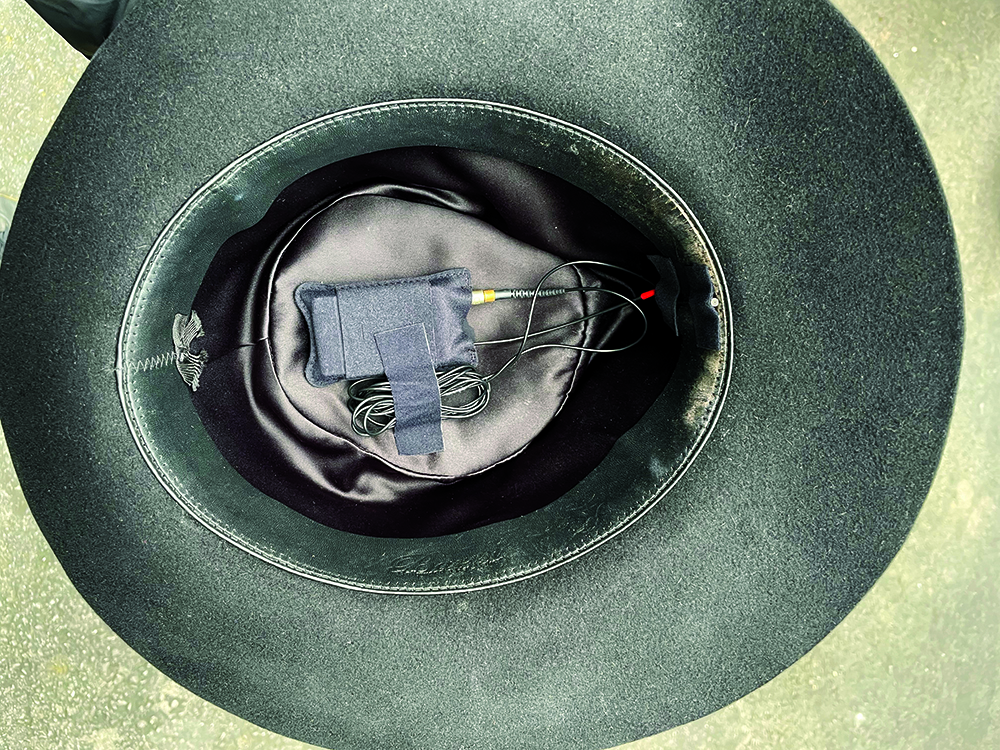
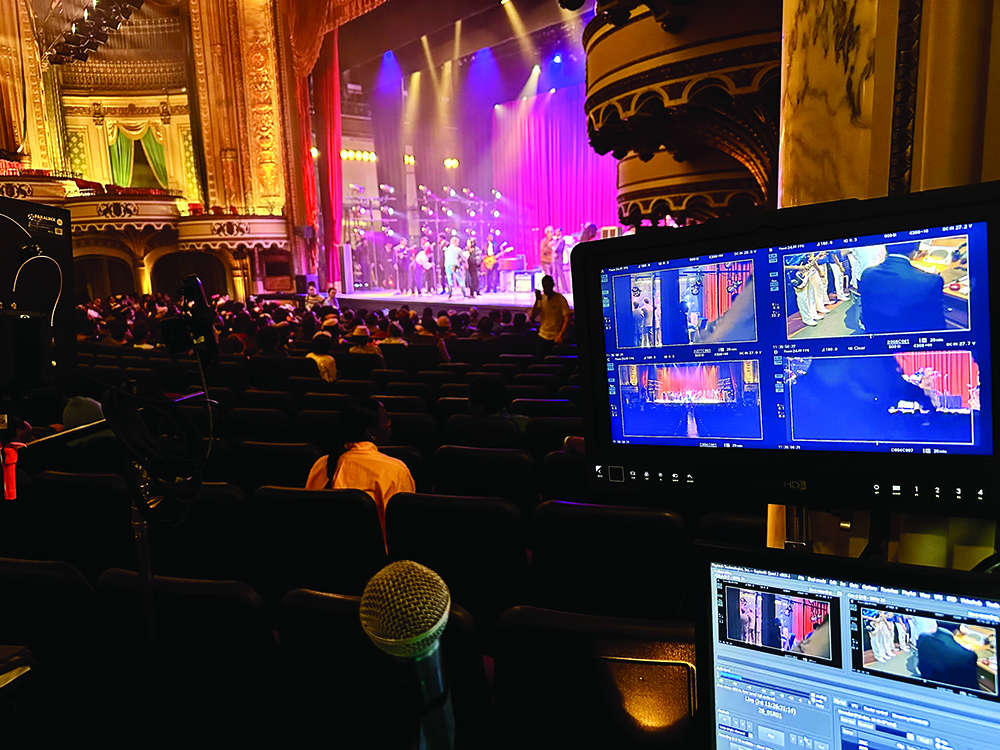
Tech scouting was extremely useful, as I was able to see all the different theaters that were future venues for The Jackson 5 and Michael to perform. It had to be determined who would bring the PA system—either the house system (speakers not seen), SIR (Studio Instrument Rentals) for working period speakers that were “camera ready,” or production sound (speakers not seen on camera and not part of the house). Again, lots of coordination between departments was required.
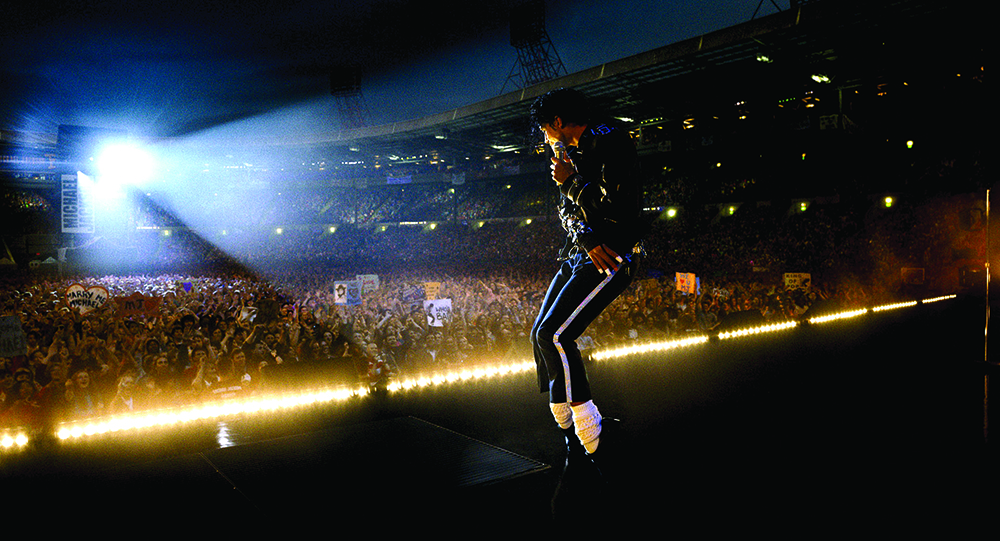
Mark Agostino was hired as our Pro Tools Playback Operator. Both John Warhurst and I had worked with Mark before—he was an easy choice. Stage 27 at Sony was up first as our first location for the stadium concert work for the Victory Tour (1984). Mark was invited to the rehearsal period at Sony that preceded the shoot in order for lighting to program their cues based on the music and accompanying timecode. SIR provided the period-appropriate speakers and the related firepower for concert-level PA.
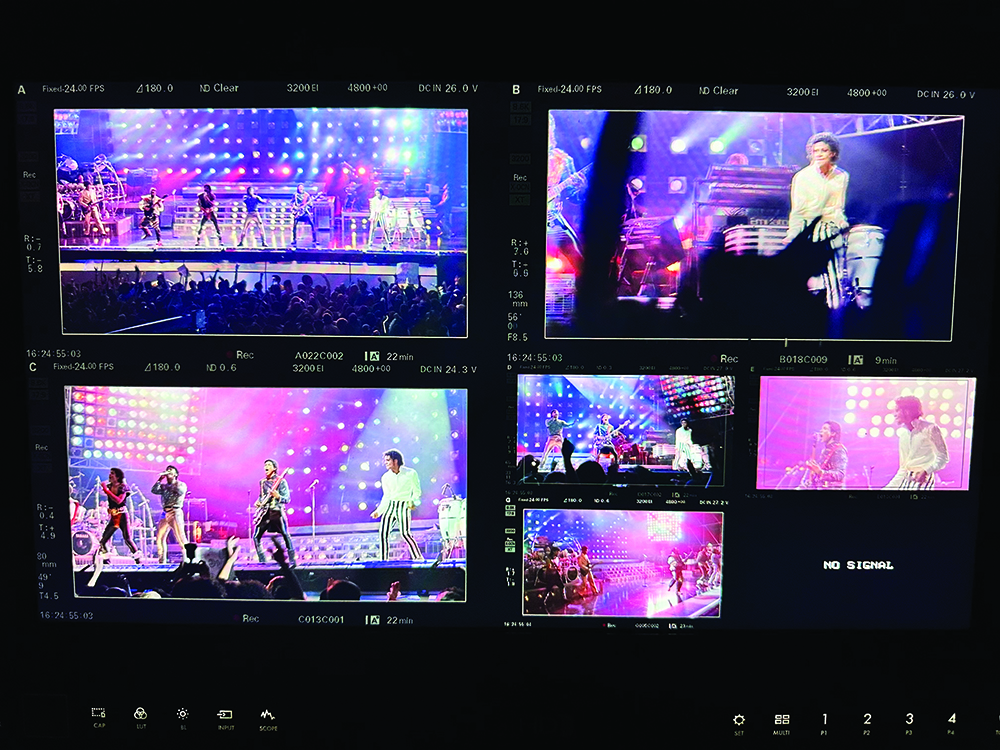
Finally, it was time for me to start. With just a couple of days of rehearsal for me, I quickly found two problems to solve: First, the video feed at video village had 5-6 frames of latency due the nature of the 8K capture using Sony Venice 2’s, as well as all of the video processing and distribution that followed. Solution: Add 250m’s delay to the audio signal I provide to video assist. Now everybody is watching in sync. Second, being in the same room as the concert meant that you couldn’t easily hear via headphones. Applying delay was just part of the solution. Isolation was the other. For that, we got hold of “high noise” isolating headphones for the director, producer, and DP.
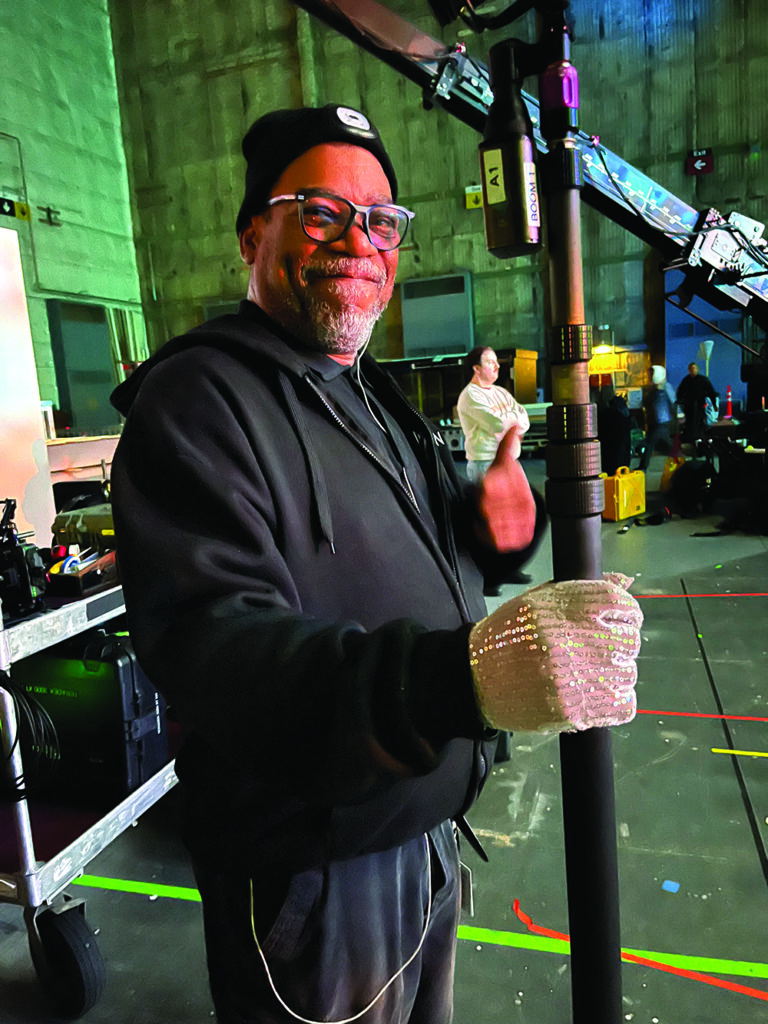
a silver glove, an homage to the King of Pop.
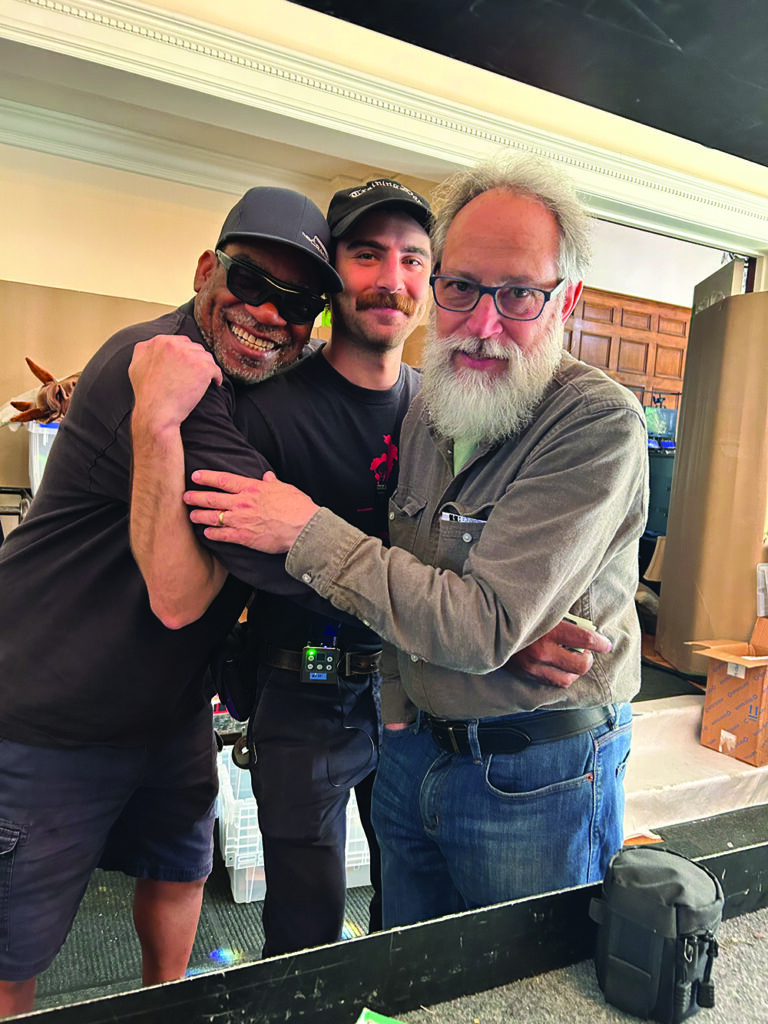
Gregg Frazier was brought along as Boom Operator. Coincidentally, Gregg had been in attendance for the Victory Tour at Dodger Stadium and saw the show live in 1984. Amazing to have come full circle to be filming a recreation of that very concert!
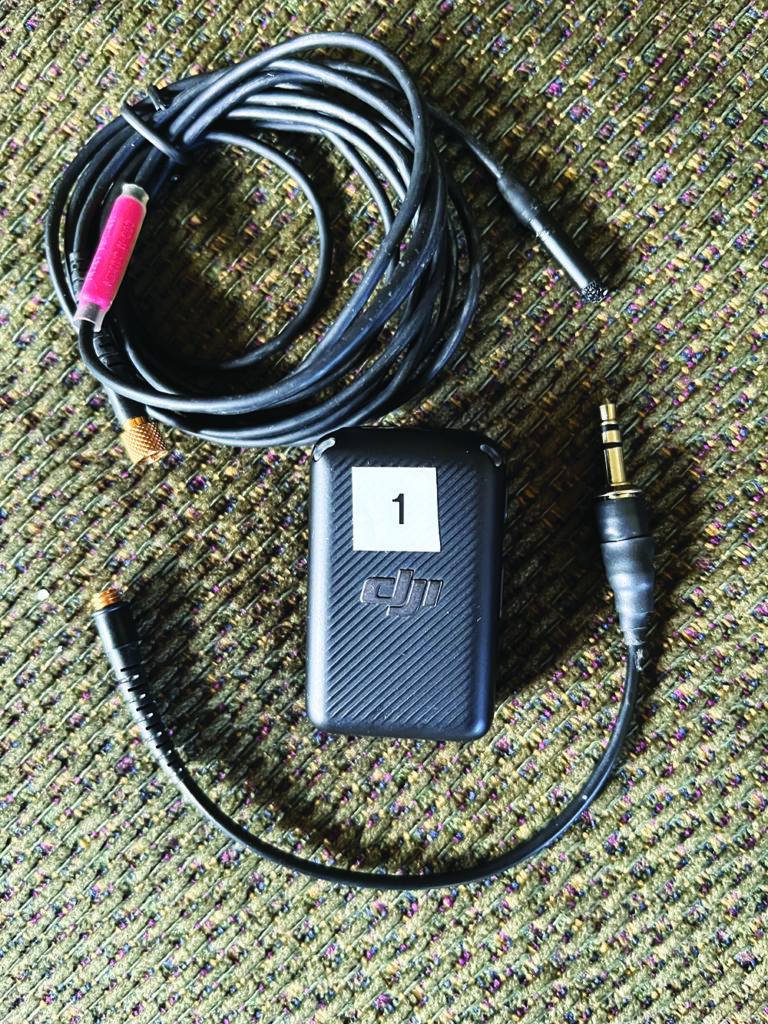
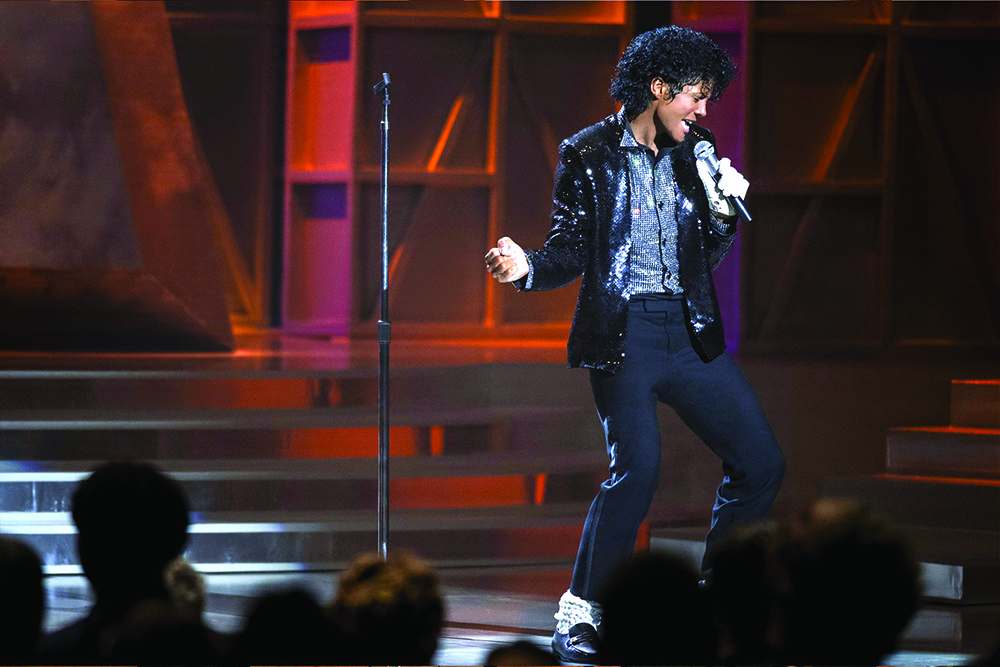
Another problem needed to be addressed. I had learned (from watching YouTube concert footage) that Michael had used a handheld wireless mic during the concert at Dodger Stadium. And while I had identified it as a Sony WRT-57, no working version of this mic could be sourced. There’s a very dramatic moment during the concert where Michael makes an important stage announcement and it was necessary to have some sort of working mic. Fortunately, props came to the rescue. They were able to fashion a dummy look-alike microphone, hollow, with a screw top for access. In it, I was able to put a small recorder and a high-quality lav mic (DJI mic/recorder with a red dot [low sensitivity] Sanken COS-11 microphone).
The recording was unattended, but confidence was high as testing had proven to be a success. The time stamp on the DJI was roughly the same as the timecode on set, so syncing wasn’t too difficult. And we were able to verify the successful capture regularly throughout the day, when time allowed.
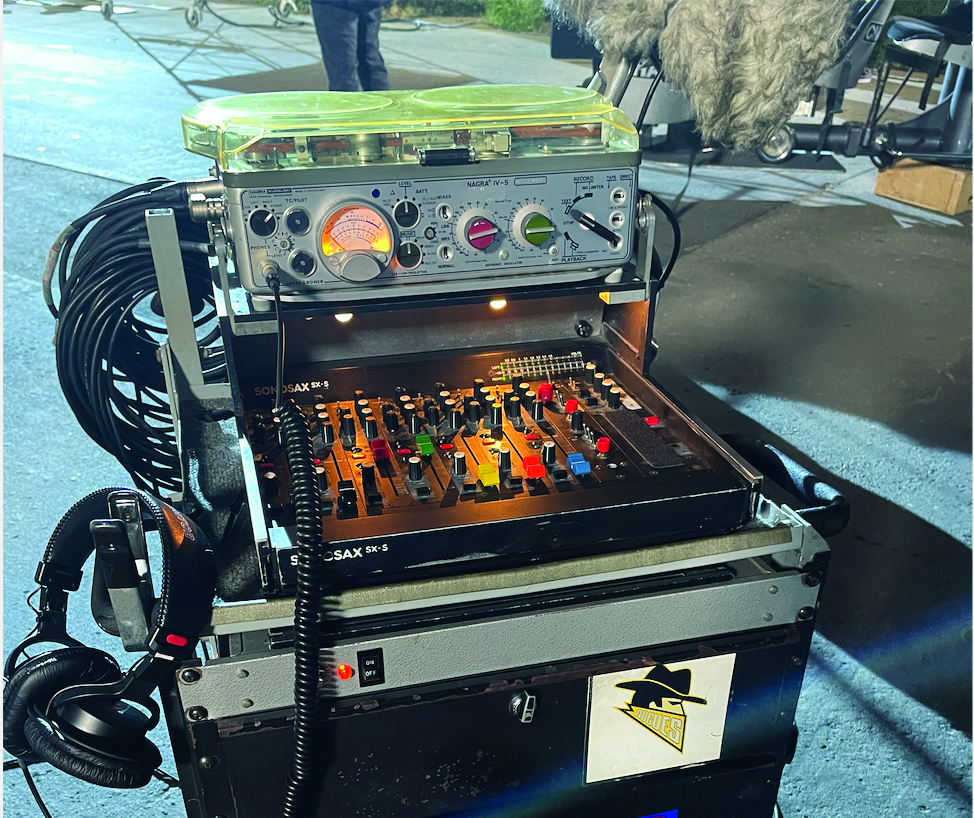
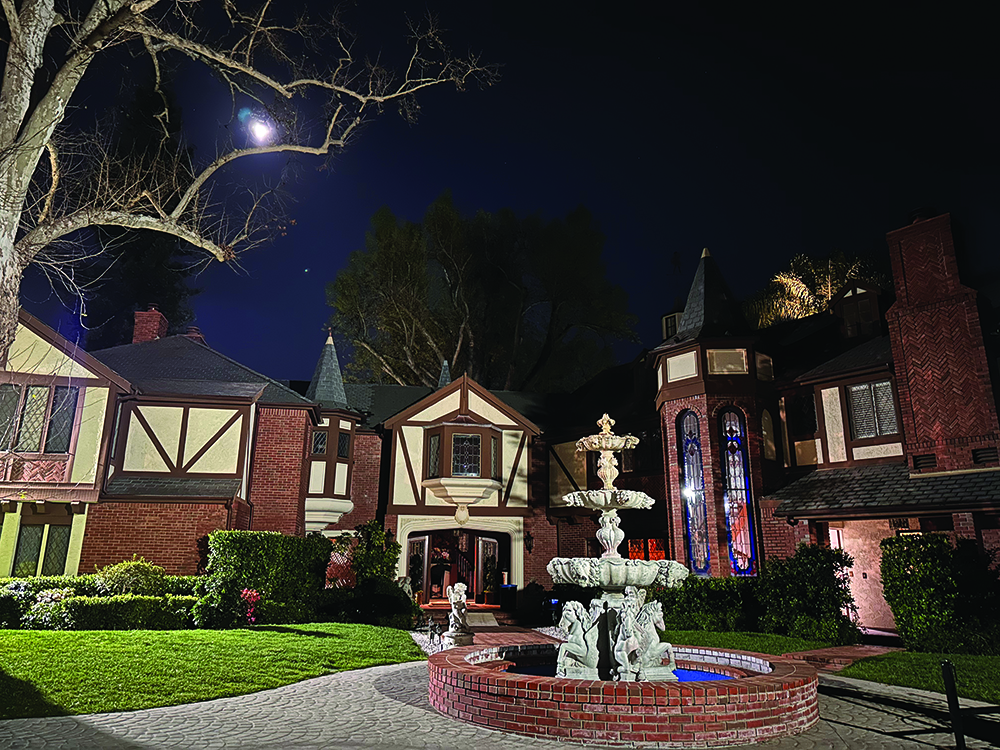
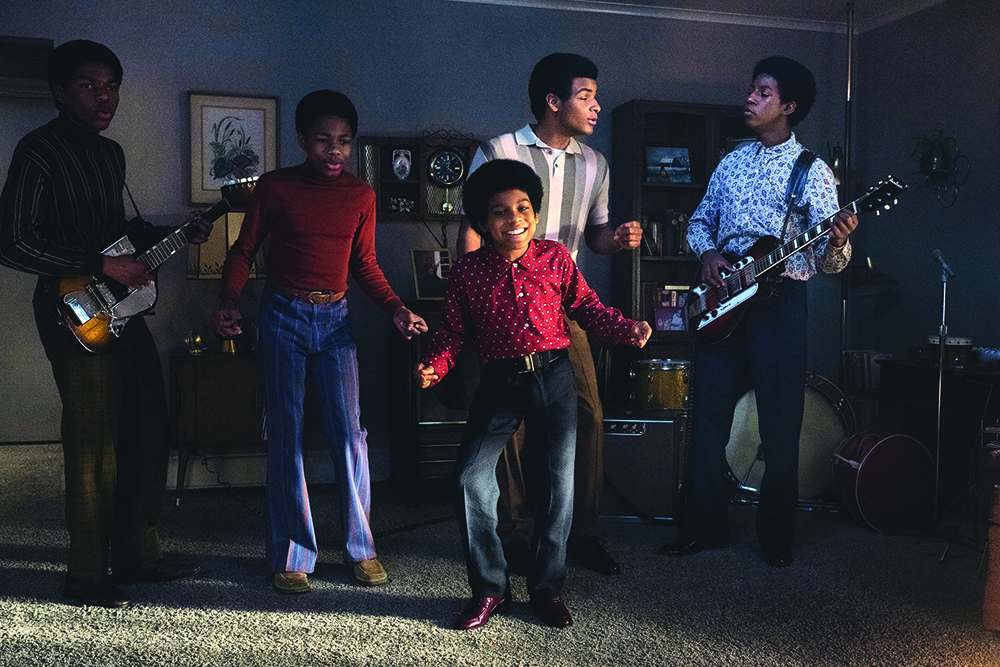
Of course, while a good portion of the film has performance pieces, it isn’t a concert film. It is very much a family story that features its most talented and successful family member. Much of the emotion of the film is drawn from family scenes. One of the principal locations was the Jackson family home in Encino, California. We were able to occupy the house (redressed for the correct period) for filming as it’s still owned by the Jackson family.
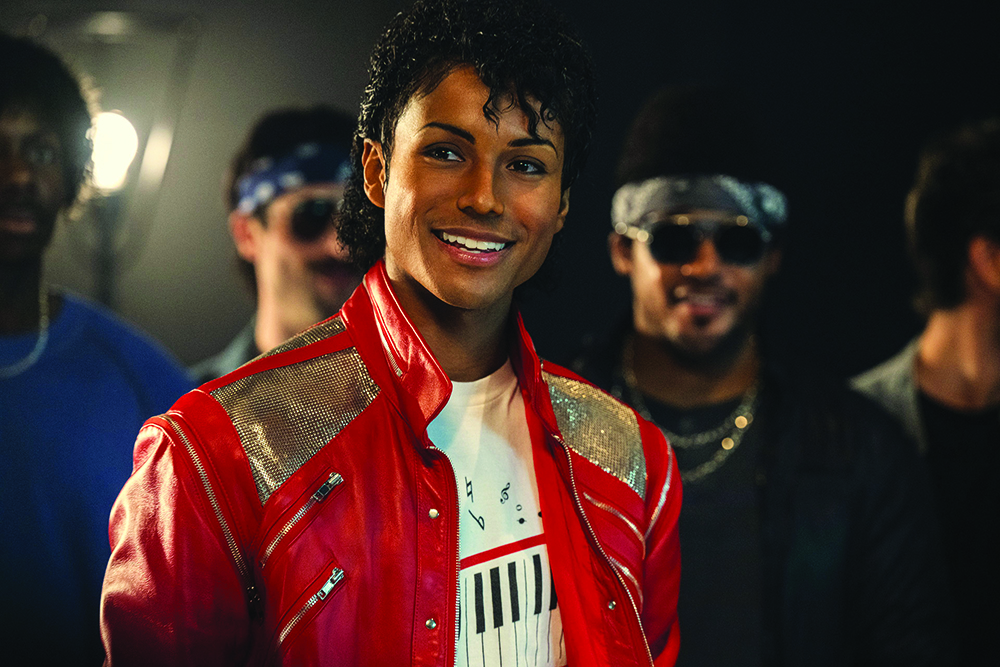
Magical moments included a recreation of the now-famous Motown 25 event and a recreation of the Thriller video (and the making of). In fact, our filming took place at the exact same location in East L.A. where the original Thriller video had been shot so many years earlier. Of special note, I was able to capture (in daylight, after camera had wrapped) a stereo wild track of the footfall of all the dancers performing the zombie dance portion while being led by Rich and Tone, the Choreographers, who were listening to the song via headphones. The fact that it was the end of our shooting day (dawn), meant that the dancers had been doing it all night and knew it so well.
In all, the film is a wonderful exploration of the formative years of one of the greatest musical artists who ever lived. We’re lucky to have been a part of it.
The music performed in the film Michael
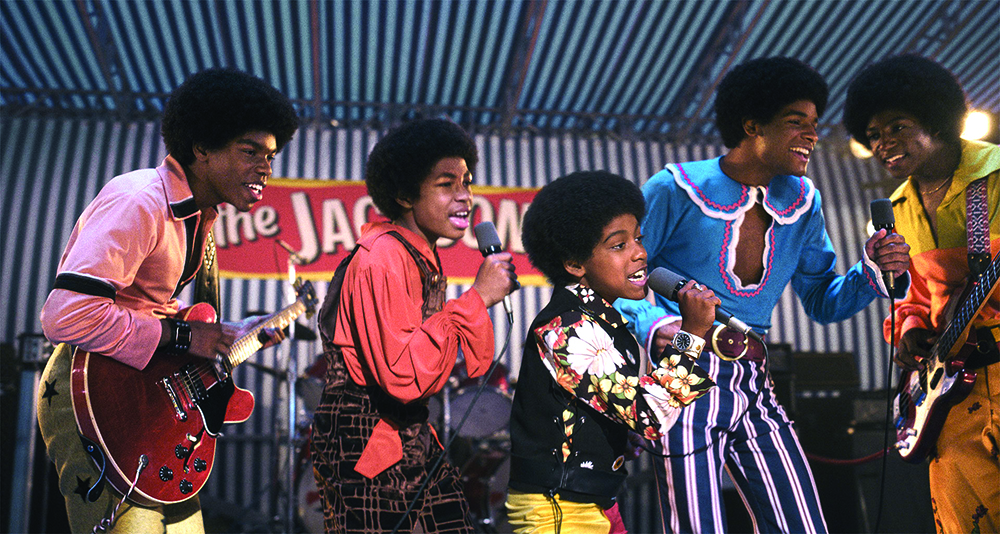
The Jackson 5
“Big Boy,” “You’ve Changed,” “Stand”
“Never Can Say Goodbye,” “I Want You Back”
“Who’s Lovin’ You,” “ABC,” “I’ll Be There”
The Jacksons/Michael Jackson
“Don’t Stop ’Til You Get Enough”
“Ben” (The Triumph Tour)
“Beat It,” “Thriller,” “Billie Jean”
“Billie Jean” (Pepsi Commercial)
“Human Nature,” “Workin’ Day and Night”
“Bad”
Thriller Video
The sound crew on the Thriller video: Bill Nelson did the on-set music playback and
Bill Kaplan delivered the firepower that Michael Jackson wanted.
movie Michael. Photo by Glen Wilson/Lionsgate